
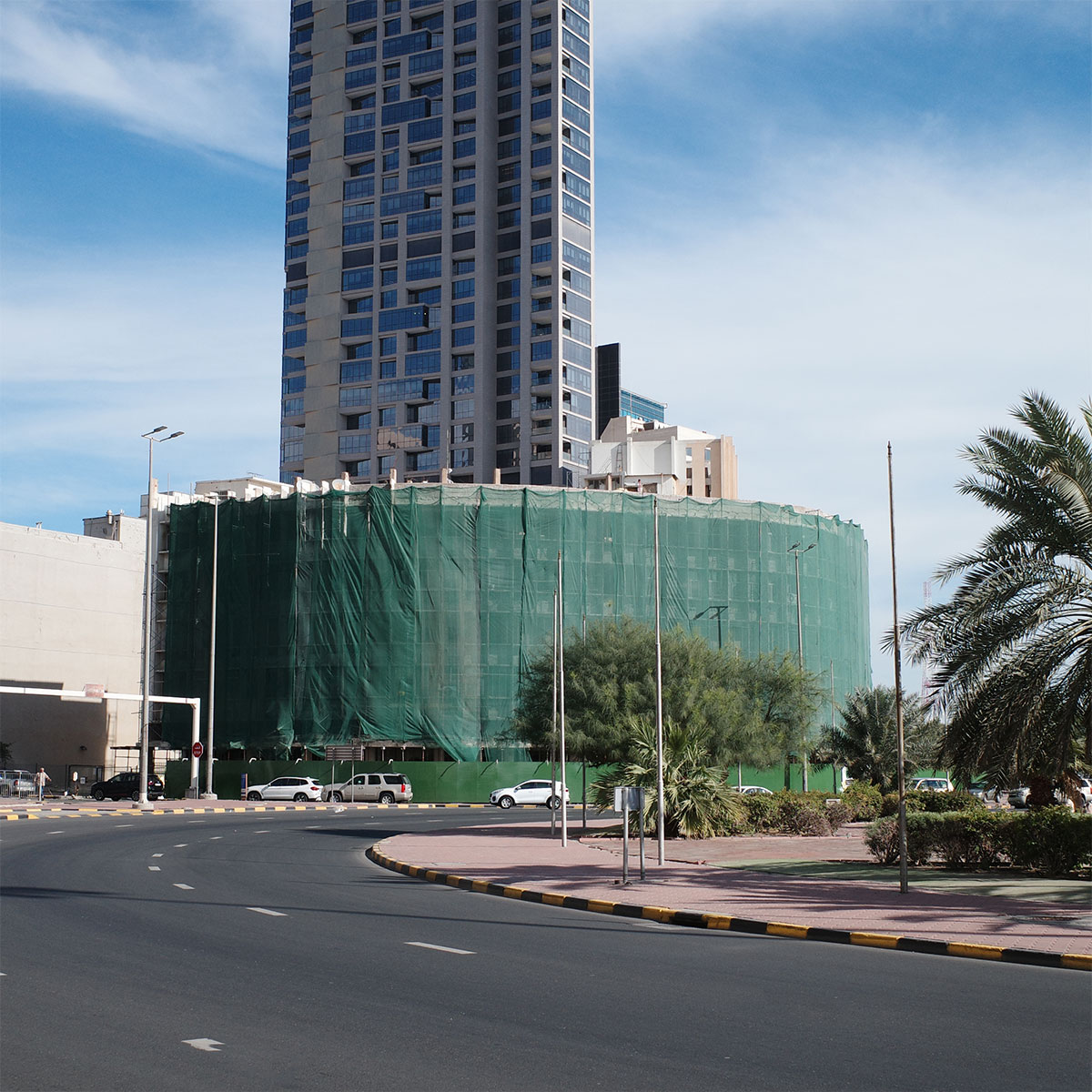
In January I posted that the Thunayan Al Ghanim building was being restored, and yesterday I was able to find out a lot more about the project. The building is considered an important part of Kuwait’s architectural history since when it was constructed in the 1950s, it was one of the most advanced buildings in the country with a lot of firsts. It was designed by the renowned architect Sayed Karim, who later worked on other projects in Kuwait including the Ahmadi Cinema.
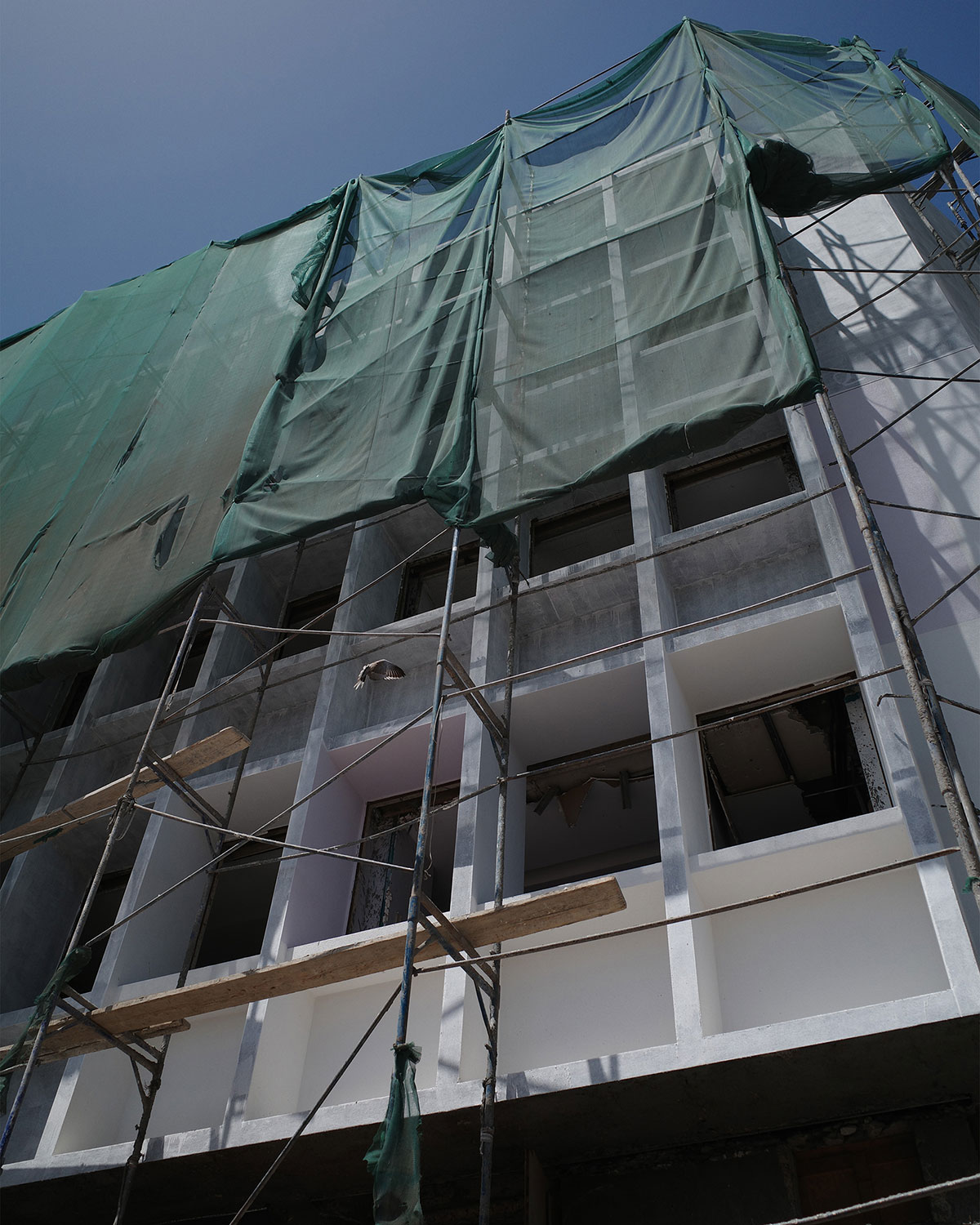
Yesterday I got a walkthrough of the building, where they took me through the restoration process and explained the plan. Spoiler, it’s all good news.
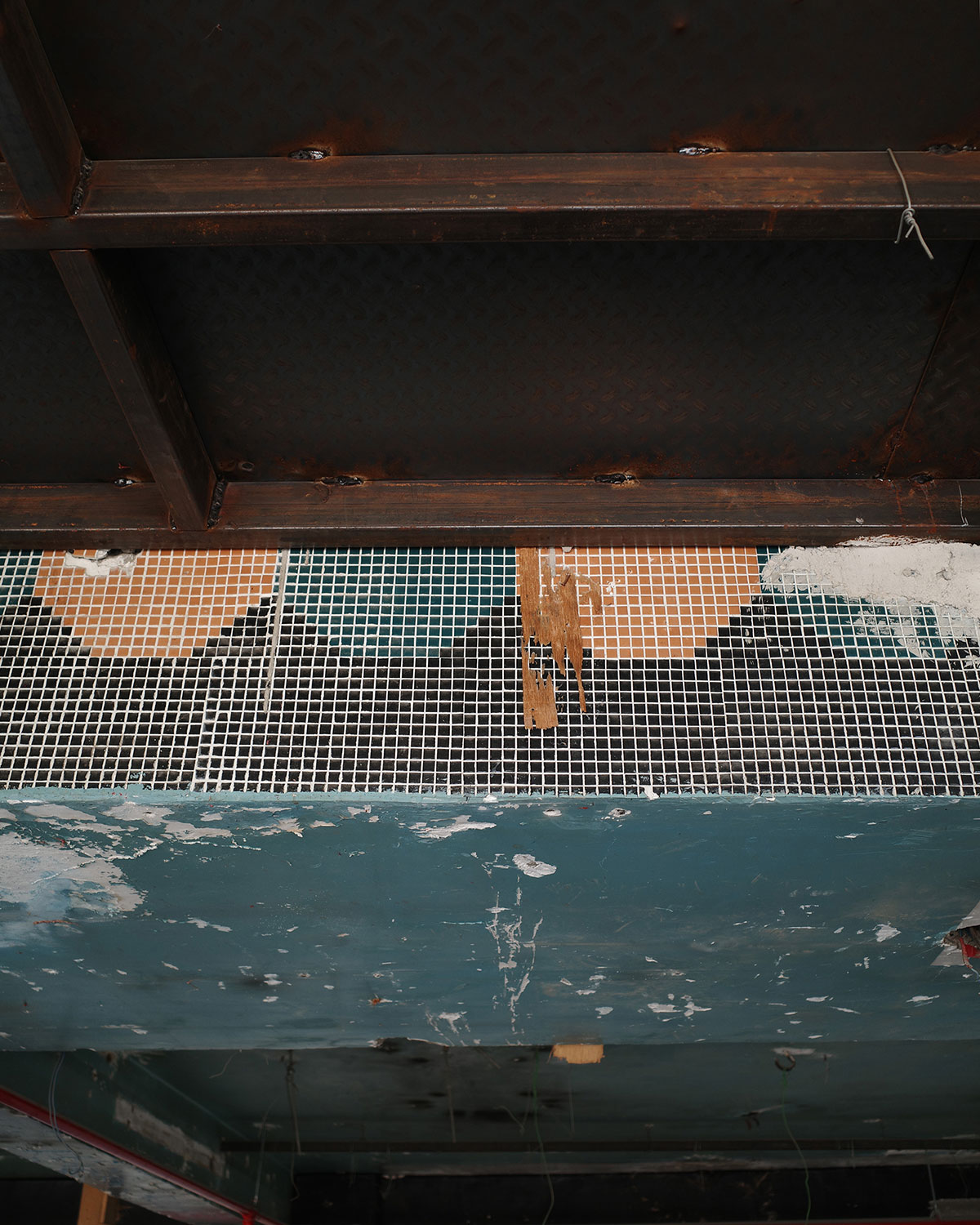
The thing I was most concerned about was the facade. I was worried they might cover it with alucobond panels or modernize it with glass, but that’s not the plan. In fact, it’s the opposite. The family has been digging through archives, looking for original drawings and plans, and investigating on site to understand how the building originally looked so they can restore it as closely as possible. They’re even trying to match details like the exact color of the window frames and the tiny mosaics that sit under each window.
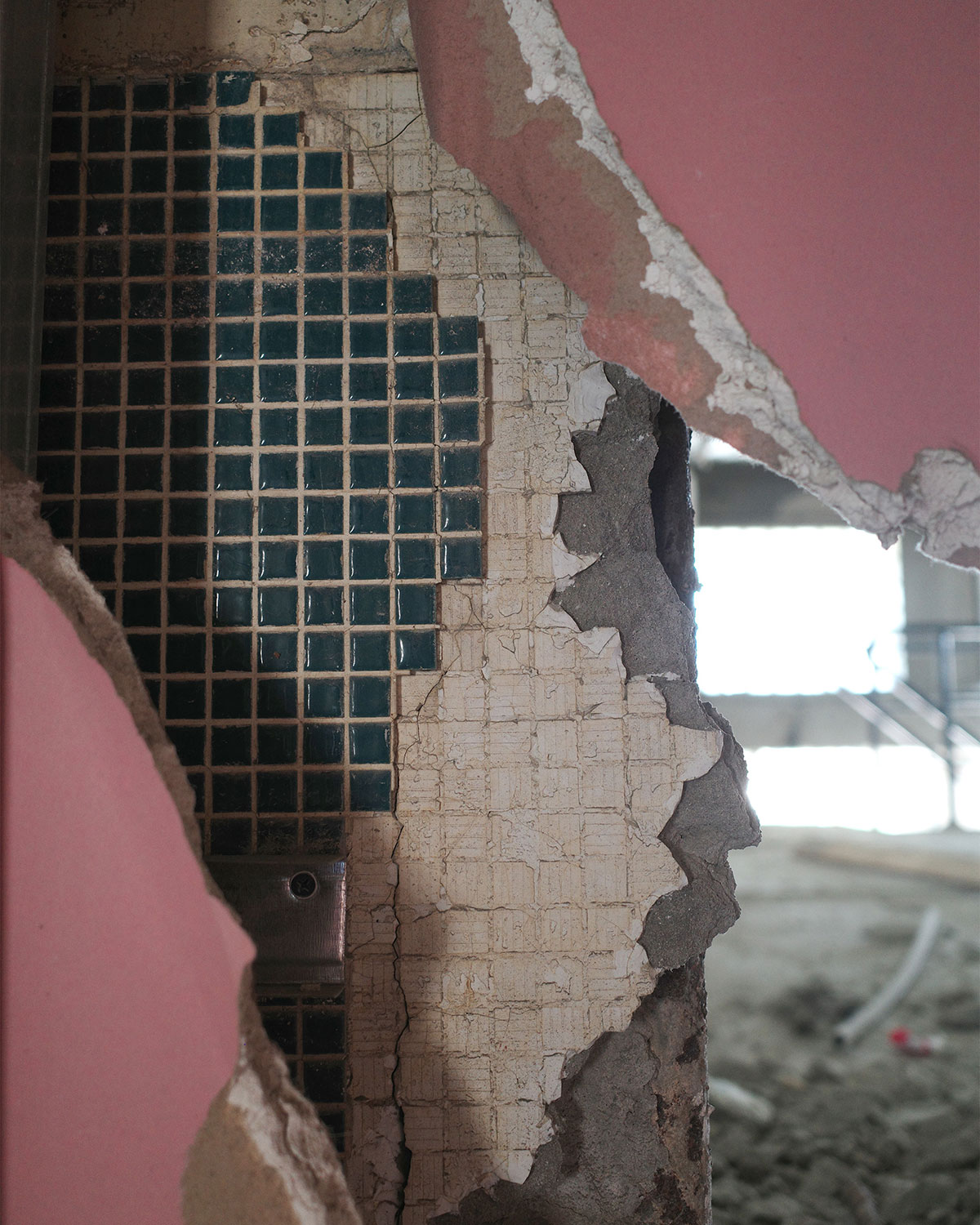
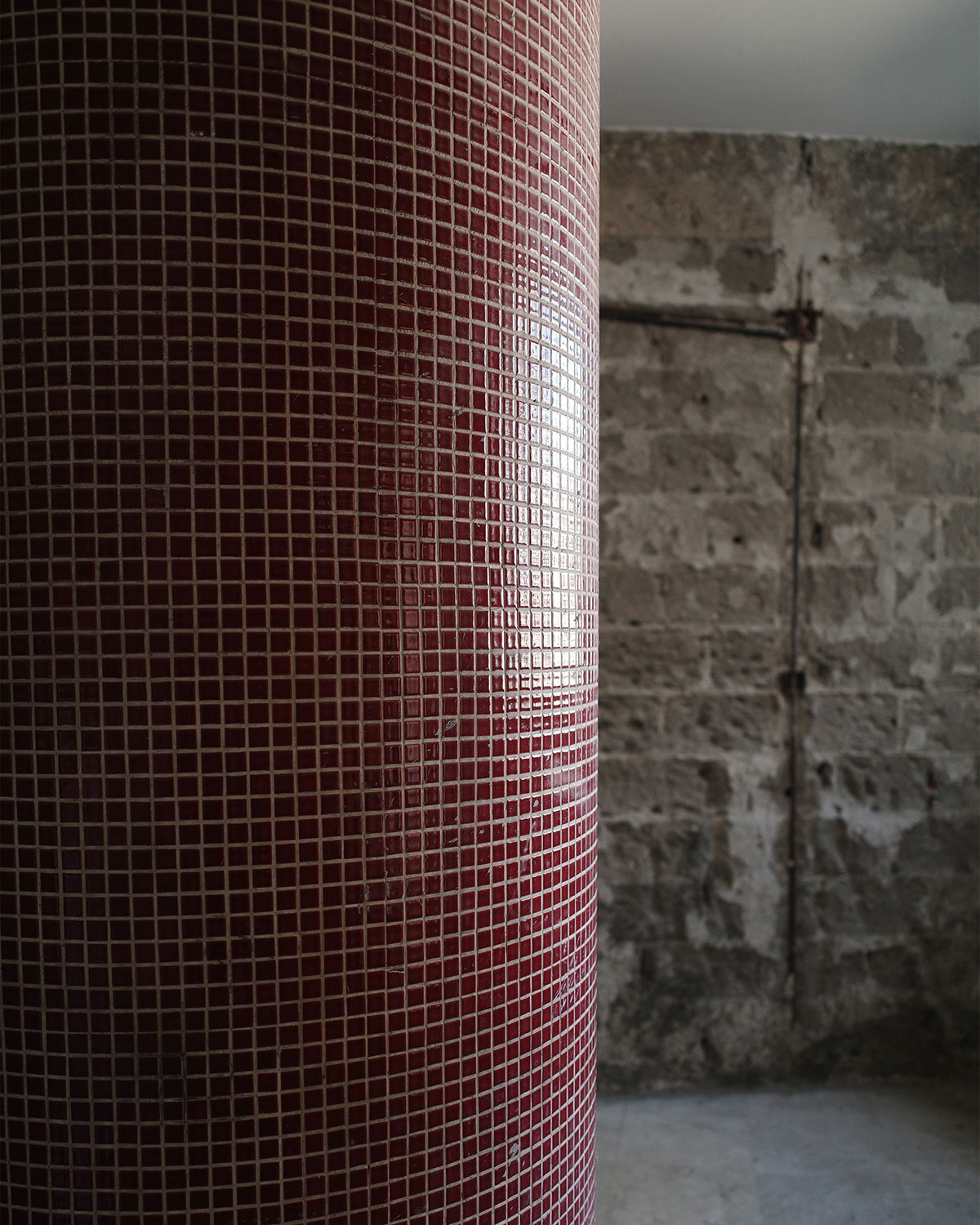
Over the past 70 years or so, the building has gone through a lot of changes. Some were destructive, but most were superficial, like painting over original mosaics or covering walls with plasterboard. Once restoration began, they started uncovering remnants of the original building hidden beneath, almost like discovering artifacts at an archaeological site.
One of my favorite parts of the tour was hearing about the investigative work they’ve been doing to understand how the building evolved. For example, it was originally meant to have three additional floors, but that plan was canceled late into construction. That ended up working in its favor, since the structure was built to support a taller, heavier building, which likely helped it survive this long. They also found plans showing the building was meant to have adjustable directional louvers on the facade for shading, and even indications that the building may have originally been designed to include residential apartments.
It’s pretty fascinating how much they’ve been able to uncover, and eventually all of their findings will be shared with the public.
I really wish more people cared about restoring old buildings like this. Although, over the past few years I have started to see more old buildings being restored. Some are doing the bare minimum, but at least they aren’t being demolished and replaced with generic, soulless buildings.