Categories
50s to 90s Photography

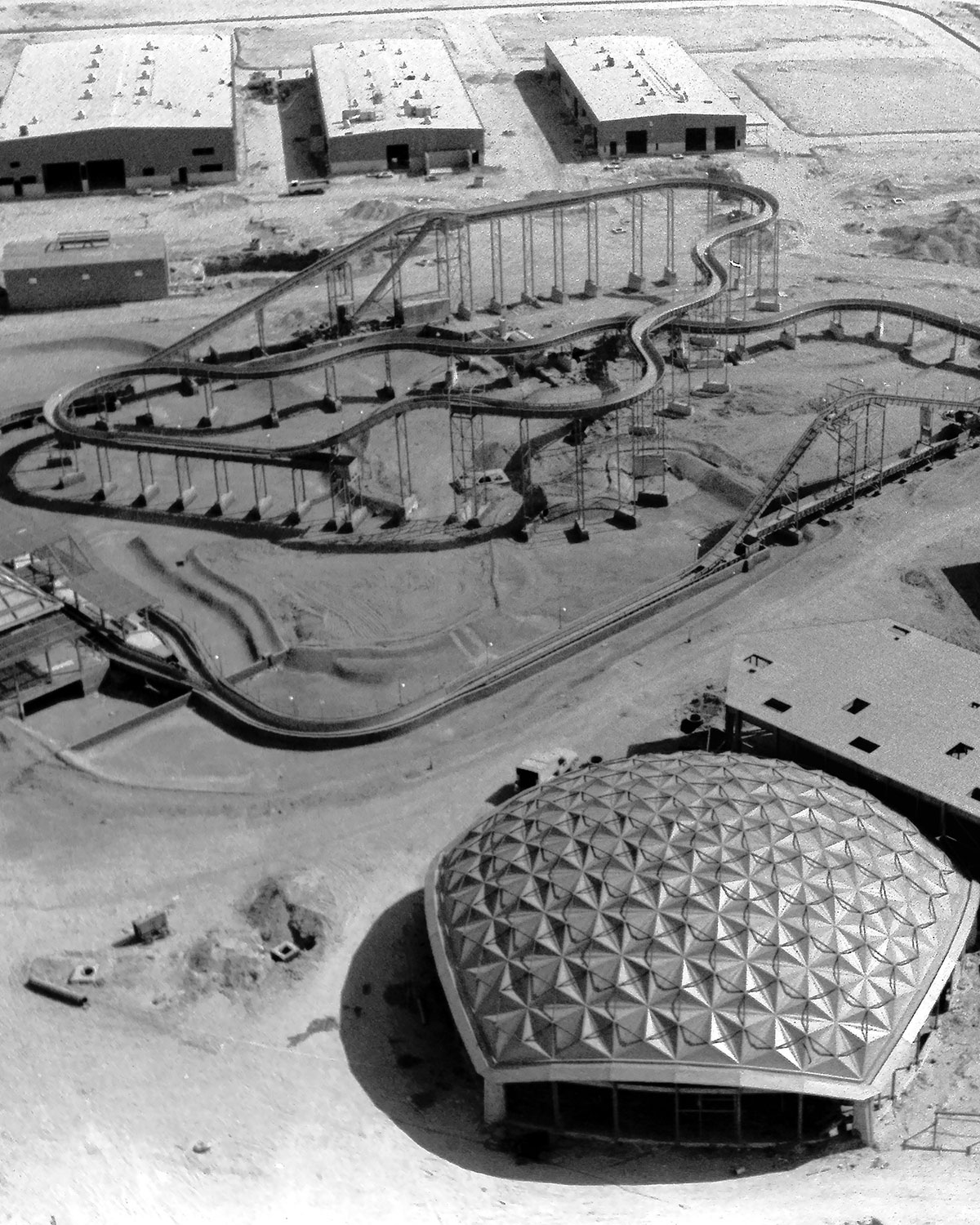
Random Scenes from 1970s Kuwait

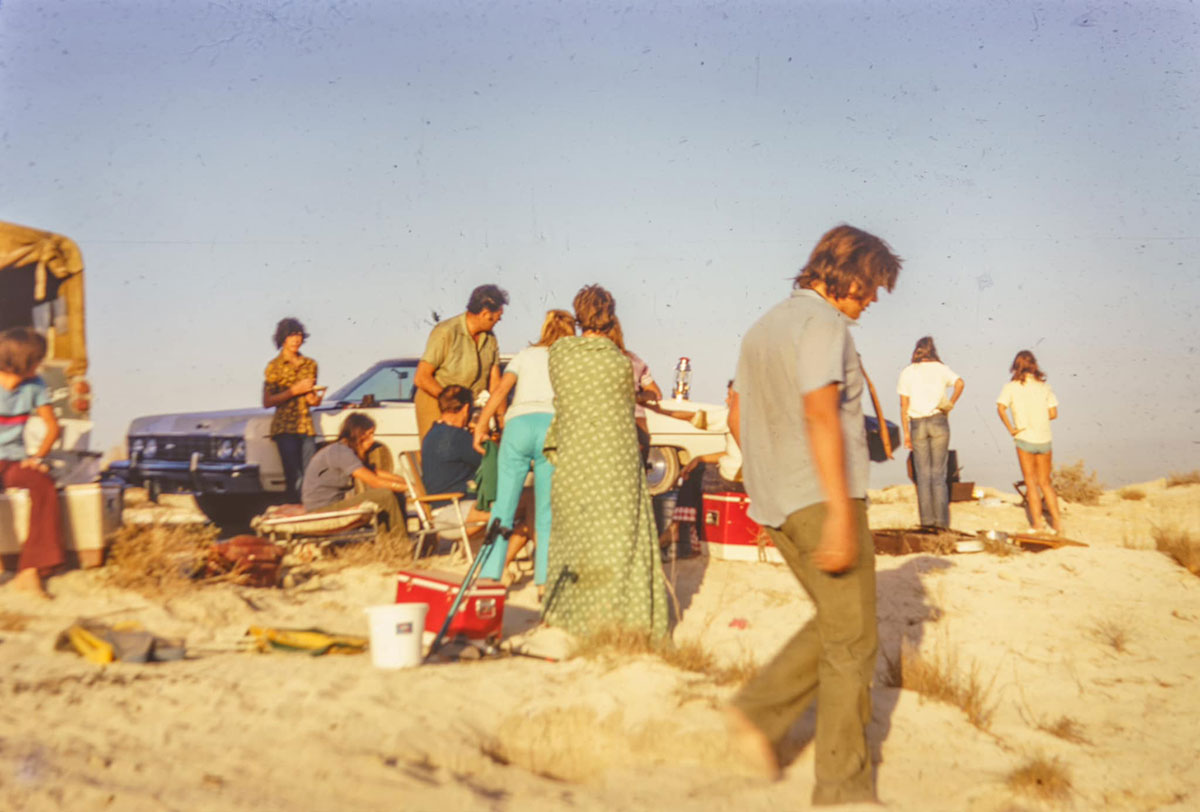
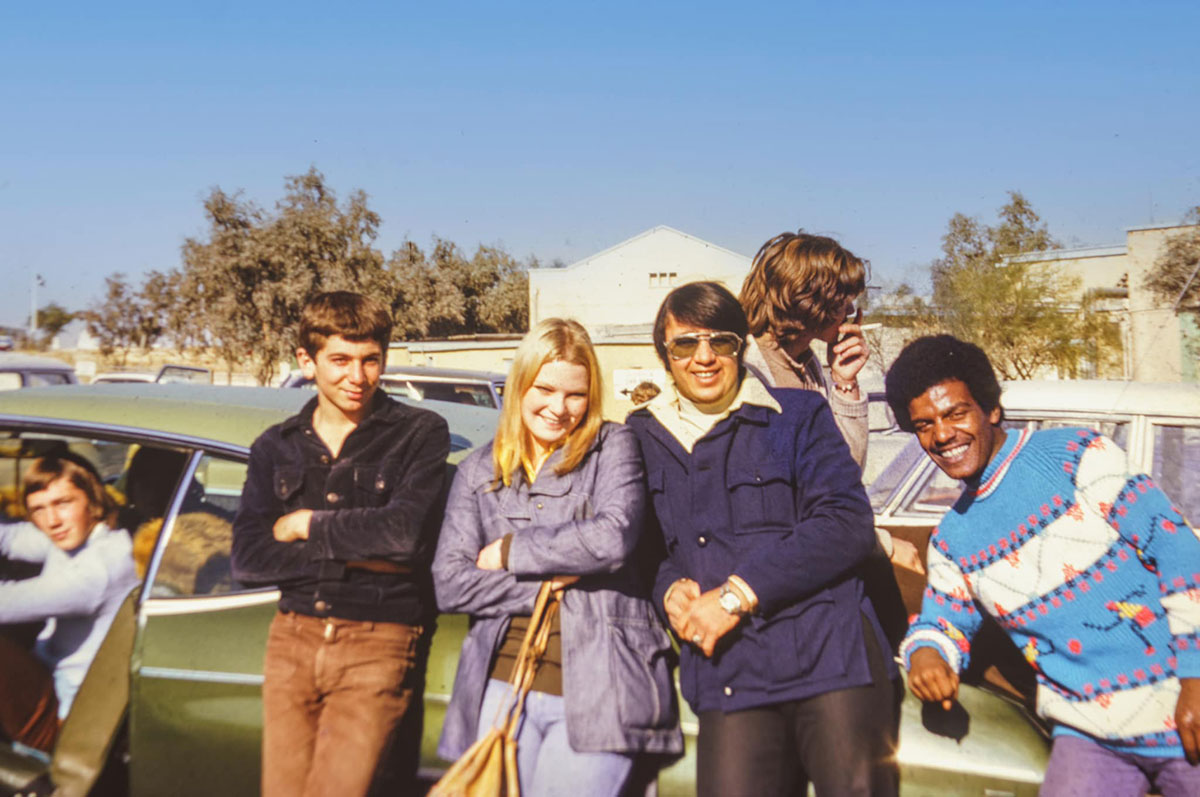
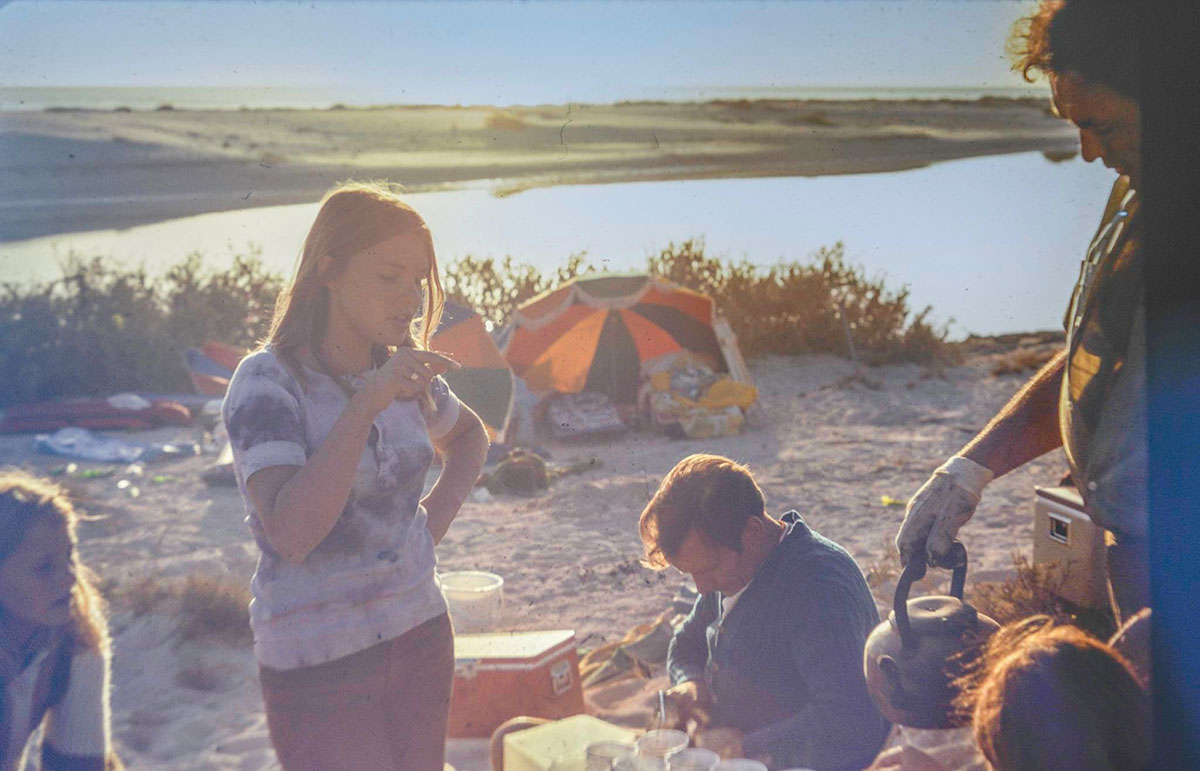
This is the last batch of photos from Ian Caldwell’s family collection.

If you missed the previous two posts, Ian was born in Ahmadi in 1955 and lived in Kuwait until 1975. He’s scanned over 300 Kuwait-related photos from his family’s archive, which he’s kindly given me permission to share.
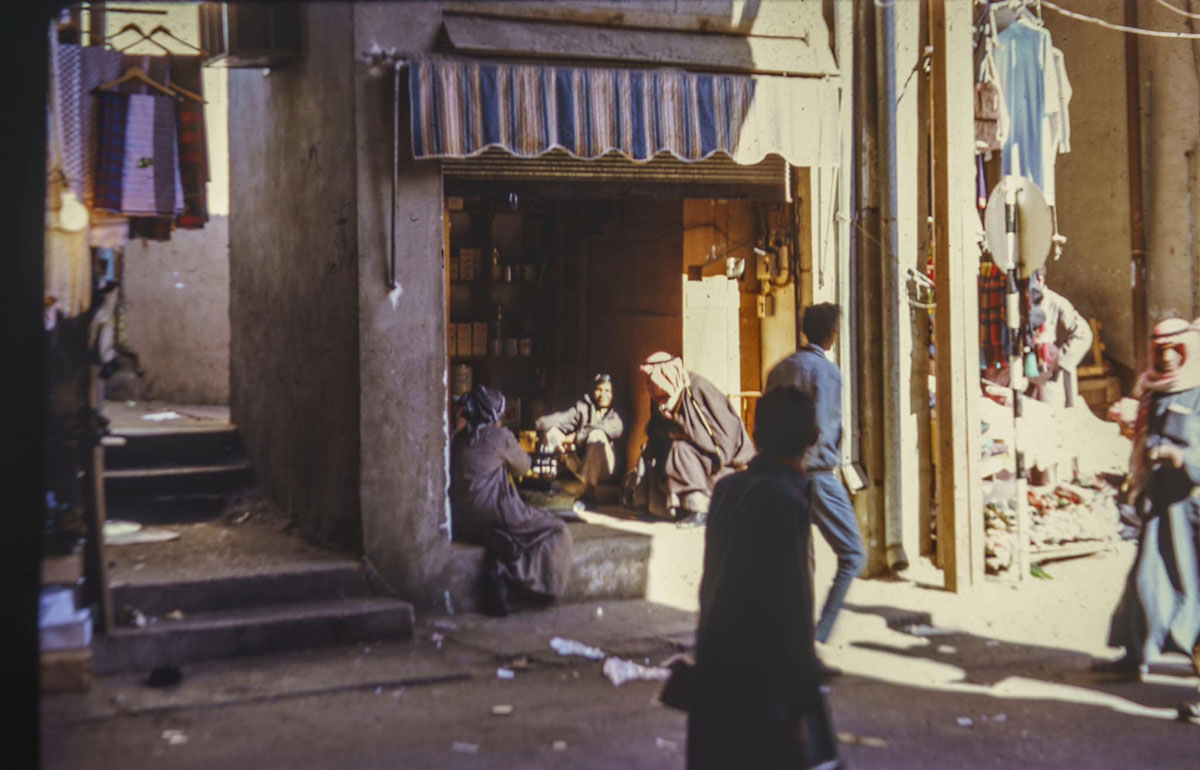
This final batch of photos isn’t categorized, other than being random scenes from around Kuwait taken in the 70s.

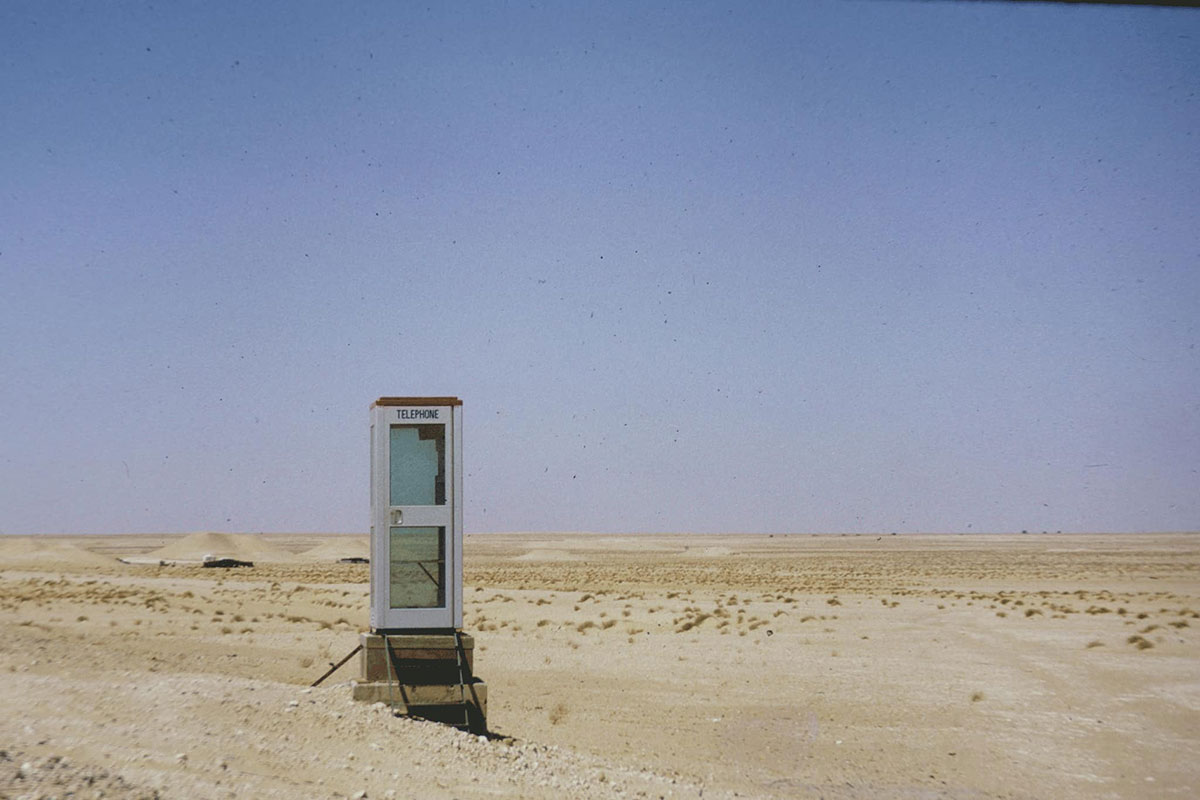
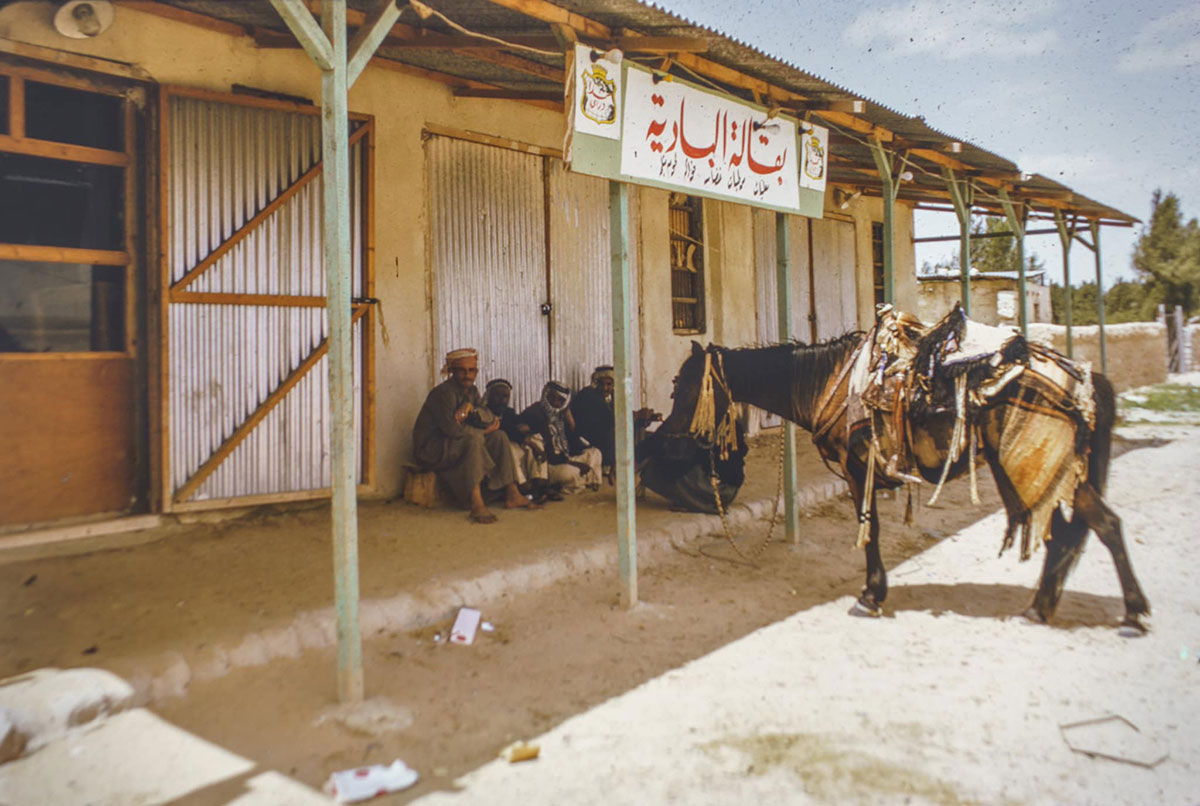
I really like the shot of the phone booth in the middle of the nowhere, it’s really weird, which is why I had Ian send me the original scan so I could print it out and frame it. Another favorite is the main image I used of the baqala, which looks like a scene straight out of a Western movie.

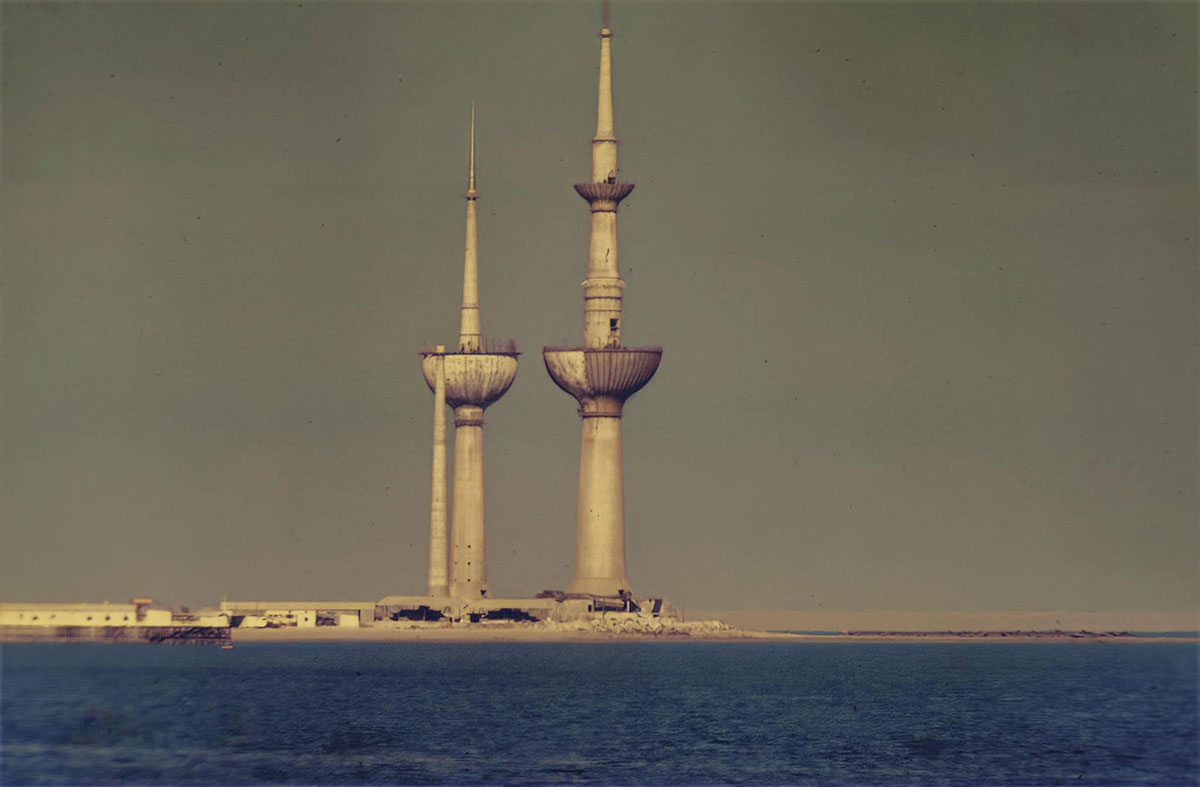
You’ll also find a couple of photos of the Kuwait Towers and Gulf Road while they were still under construction, and one of Seif Palace with the original telecommunications building going up in the background.

There are also some really odd ones I’ll let you discover for yourself. Link

Random Scenes from 1970s Kuwait


Categories
50s to 90s Photography

Life on the Weekends in 1970s Kuwait

This is the second batch of photos from Ian Caldwell’s collection, and there is one more batch I’ll be sharing after this post.

Ian was born in Magwa Hospital in Ahmadi in 1955 and lived in Kuwait until 1975. He’s scanned over 300 Kuwait-related photos from his family’s collection, which he’s kindly given me permission to share. Last month I posted photos of Souk Mubarakiya and Fahaheel Market from his archive, this time, I’m sharing photos taken over various weekends and holidays between the late 60s and early 70s.

The photos were taken by Ian, his father Arthur, and his younger brother Tom.

I could only share 20 photos on my Instagram account, but since you guys check the blog you get to see all the photos which amount to 121. To check them out, click here.


Categories
50s to 90s Photography

Market Moments from the 1970s

Ian Caldwell was born in Magwa Hospital in Ahmadi in 1955 and lived in Kuwait until 1975. A couple of years ago, he pulled out boxes from his father’s loft filled with about 1,500 old slides, including many from Kuwait. He started scanning the ones related to Kuwait, ending up with about 300 photos that had never been seen before.

The photos were taken by Ian, his father Arthur, and his younger brother Tom. I’ll be sharing as much as I can from their collection, and I’ve started organizing them into groups based on different topics.

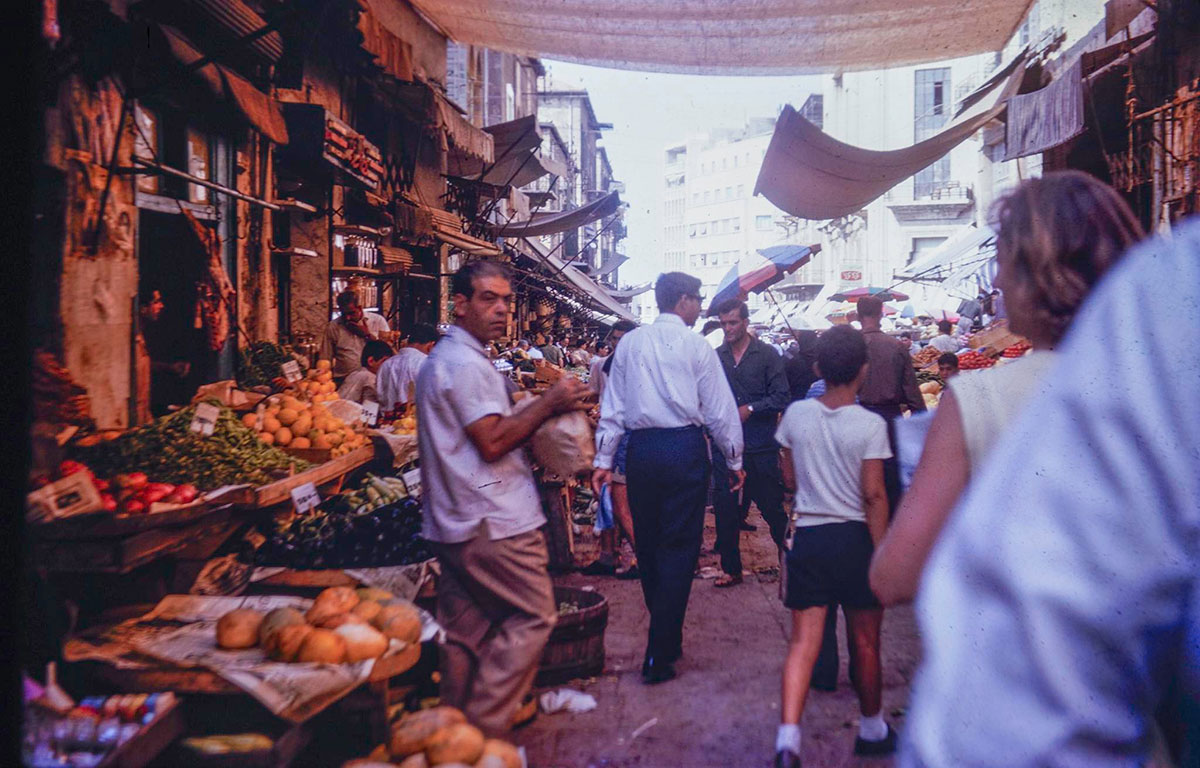
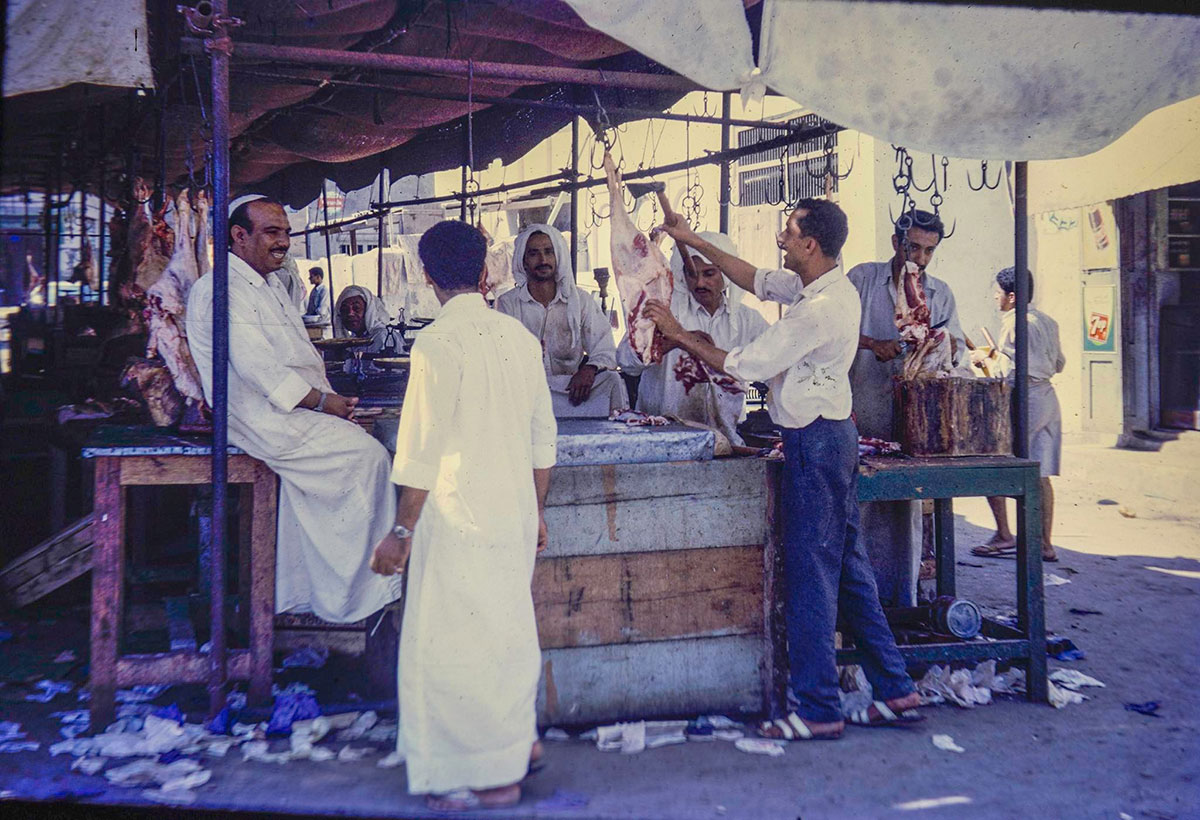
The first ones I’m sharing are photos taken of Souk Mubarakiya and the Souk in Fahaheel sometime in the early 70s.

To check out the photos, click here.


Categories
50s to 90s Design

Turtle Island in the 1980s vs Today

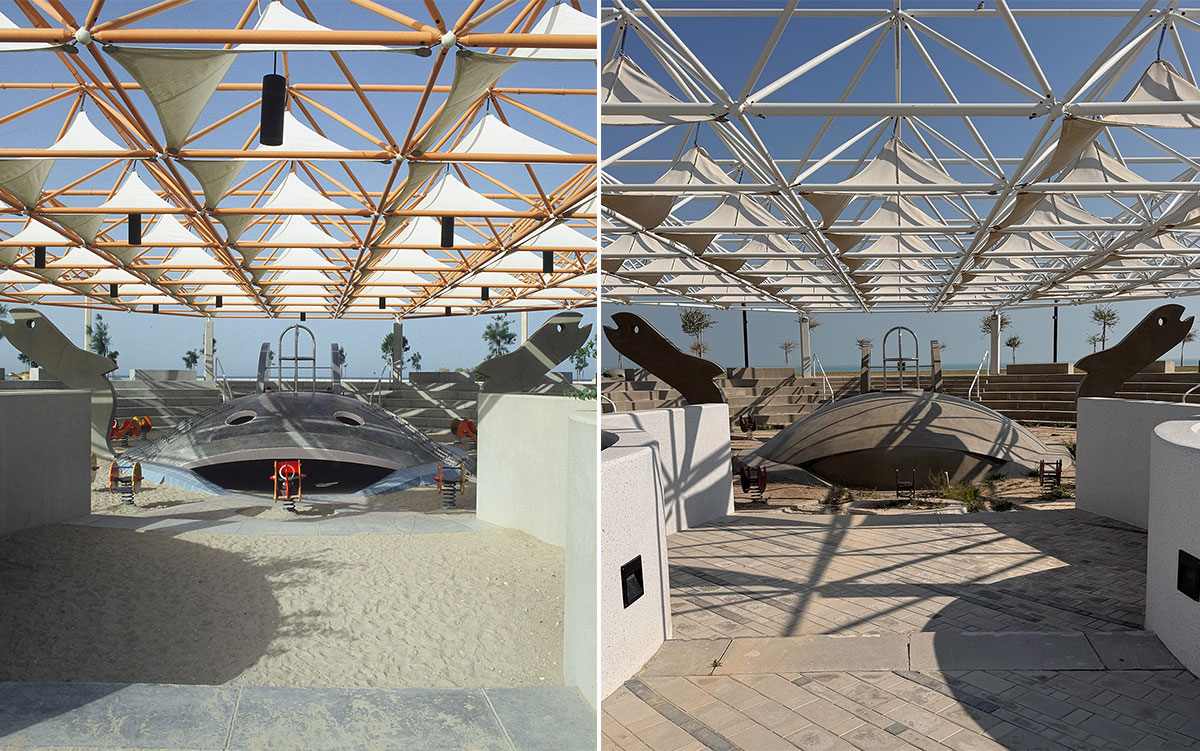
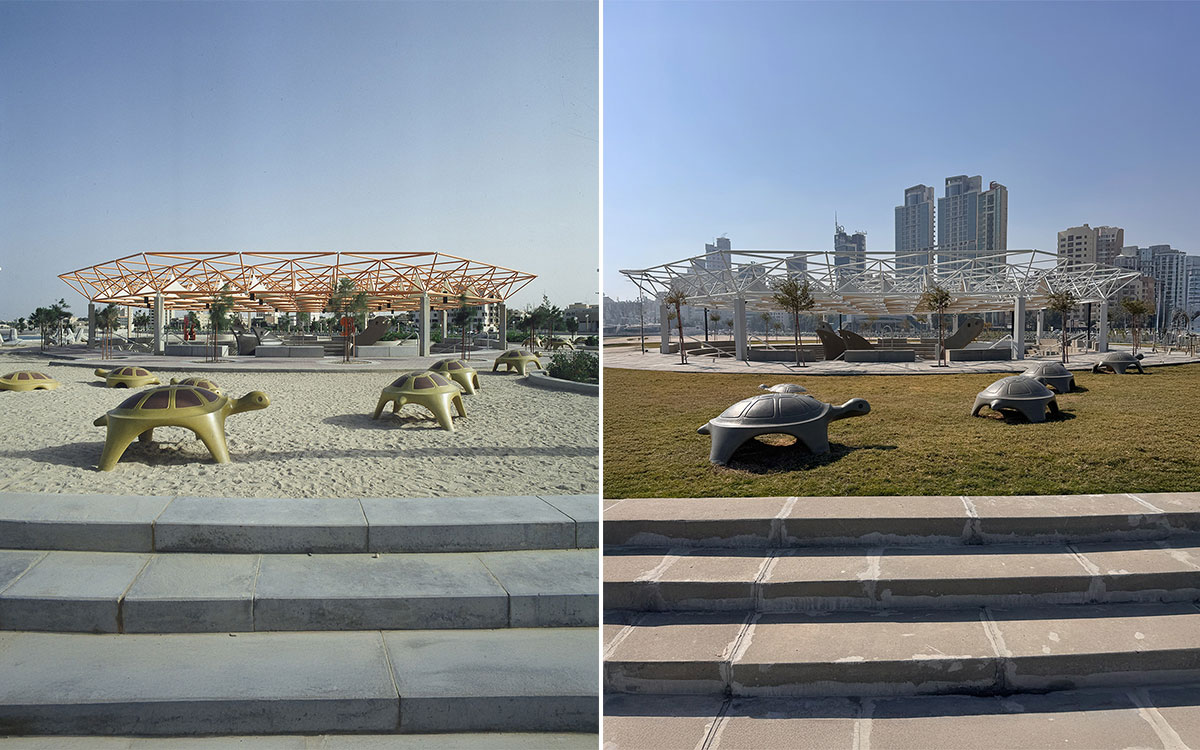
Ghazi Sultan (1941–2007) was a Kuwaiti architect and urban planner. He was regarded as one of the key figures in Kuwait’s modernization and is best known for the Gulf Road waterfront project, including Green Island. The project also included a number of smaller artificial islands along the coast with my favorite being Turtle Island (Google Maps).

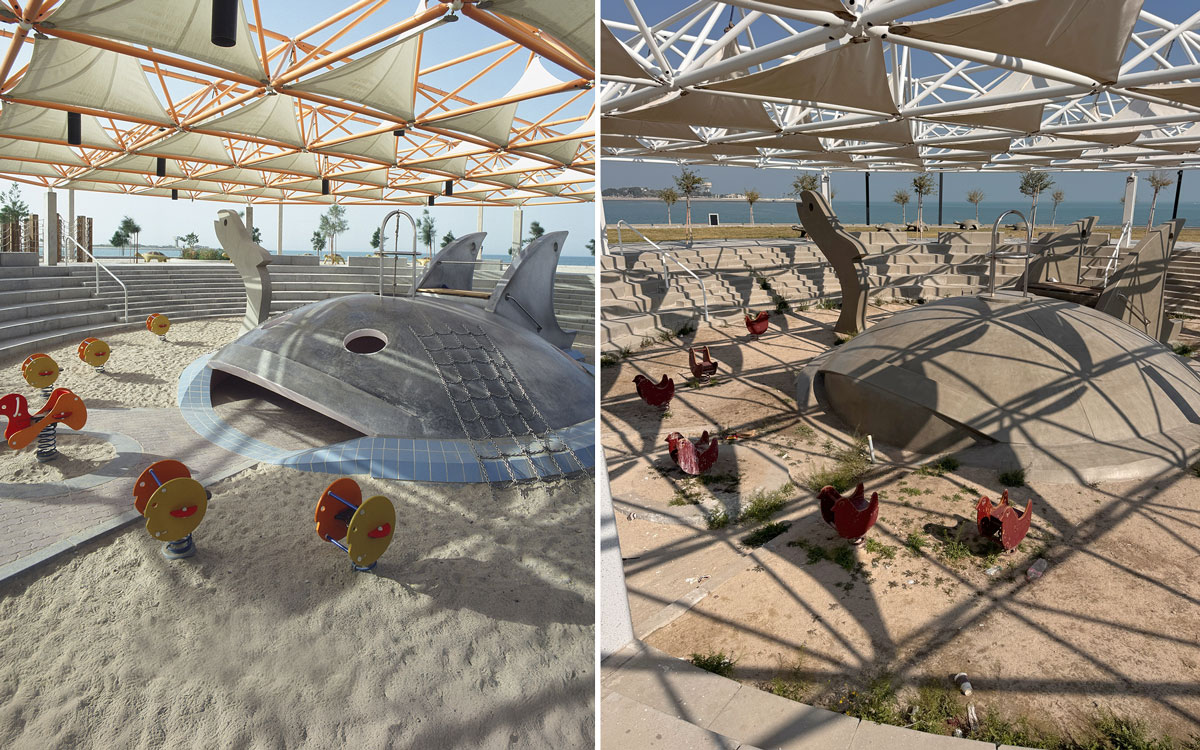
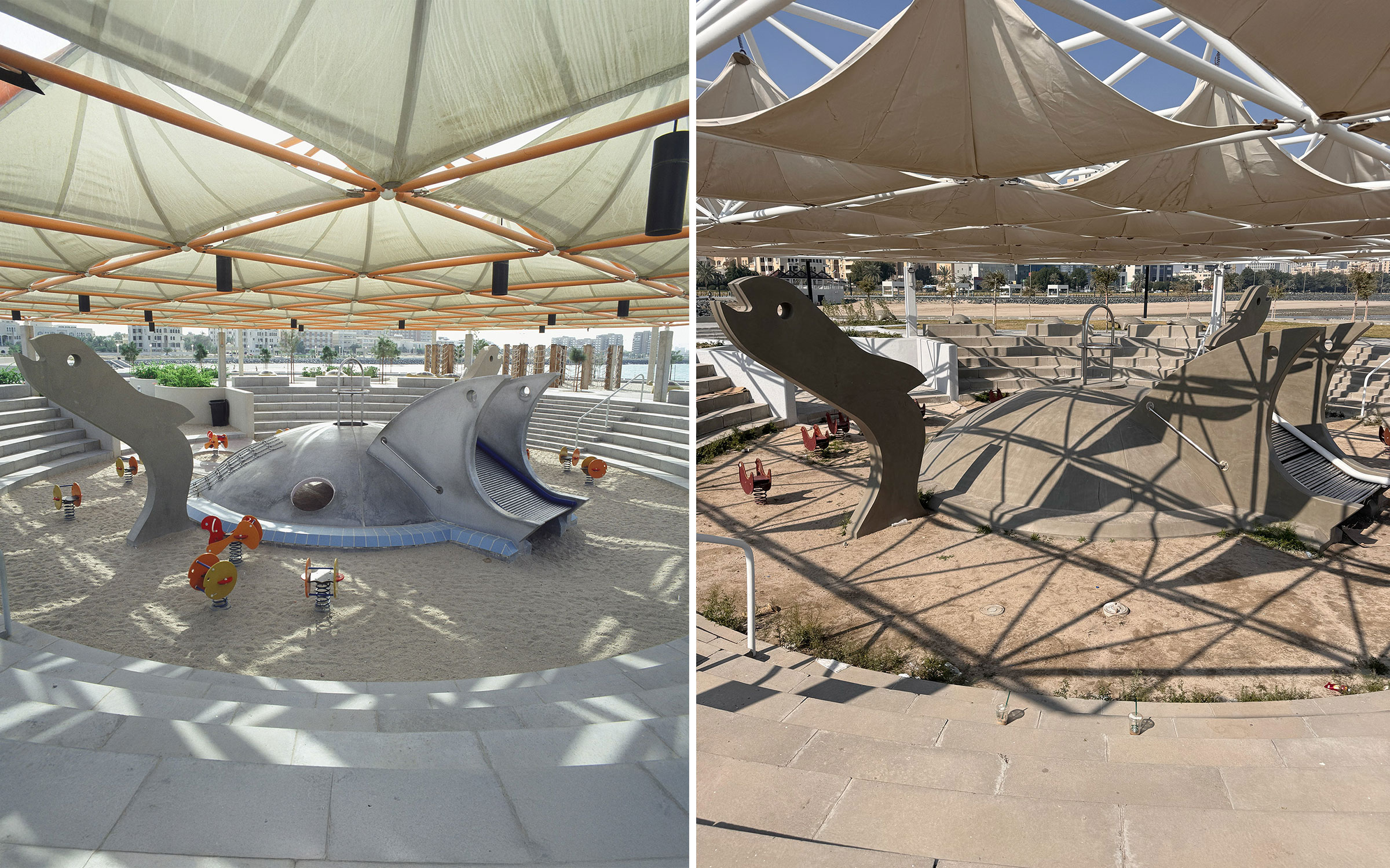
Turtle Island is a small artificial island located behind the Italian restaurant Johnny Carino’s. It has a children’s play area featuring a giant fish structure in the middle, while the rest of the island is filled with large turtle sculptures.

Part of the Ghazi Sultan photography archive includes photos he took when the project was completed. Although the photos aren’t dated, I’d assume they were taken in the late 80s. The island looked so different back then compared to today!

First off, what happened to all the colors? The island used to be so much more vibrant — a bright orange frame structure, colorful toys, and the giant fish even had a crawl space for kids. Even the turtles that surround the island were painted olive green with brown accents. Today, the island feels monotone. The orange frame is now white, the fish lost its crawl space and just looks like a grey blob, and the colorful toys were swapped out for dark red ones that are now in bad shape. As for the turtles, they’re now just dull grey concrete color.

To find out more about Ghazi Sultan, visit ghazisultan.com or @ghazihamadsultan


Categories
50s to 90s Kuwait Photography

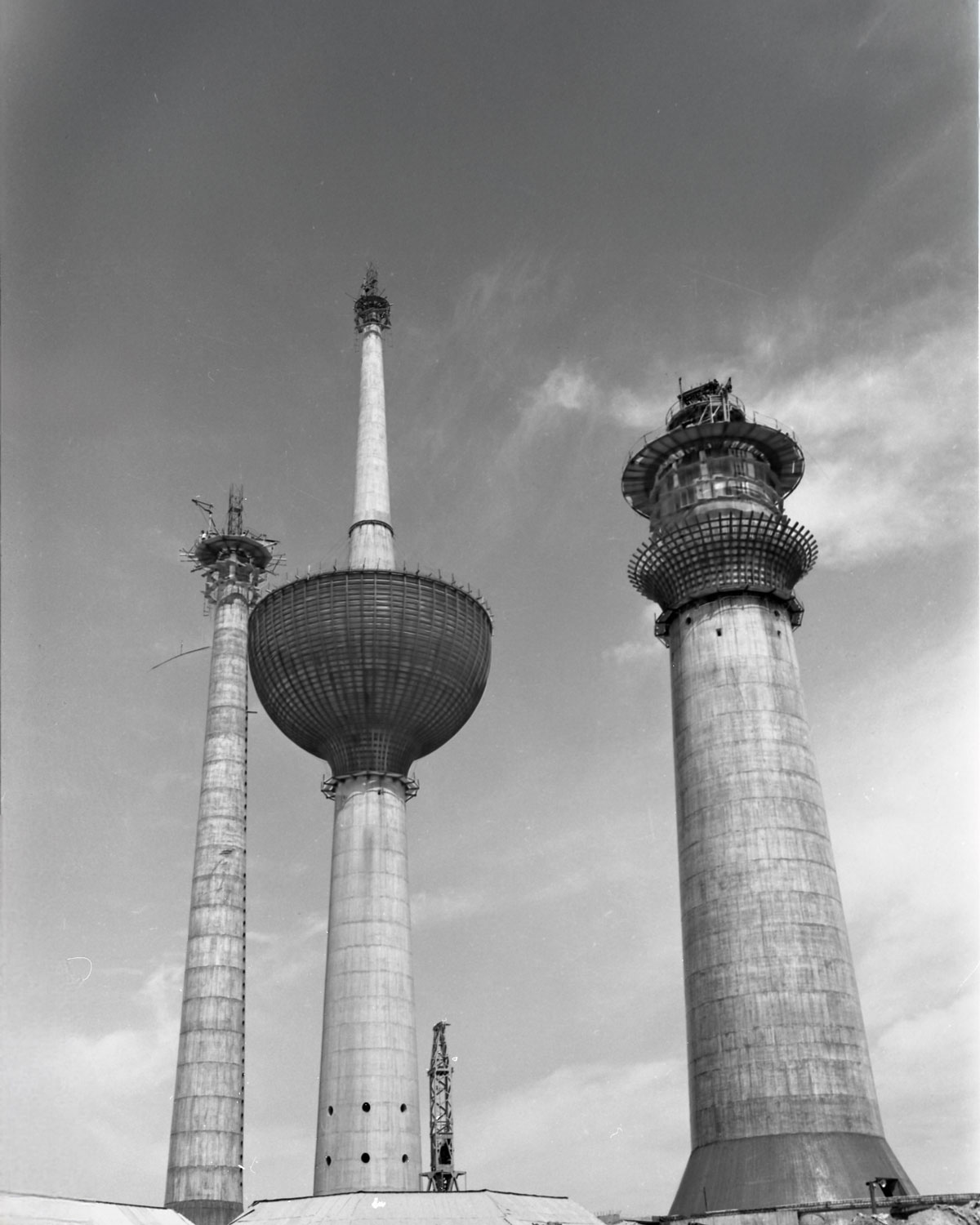
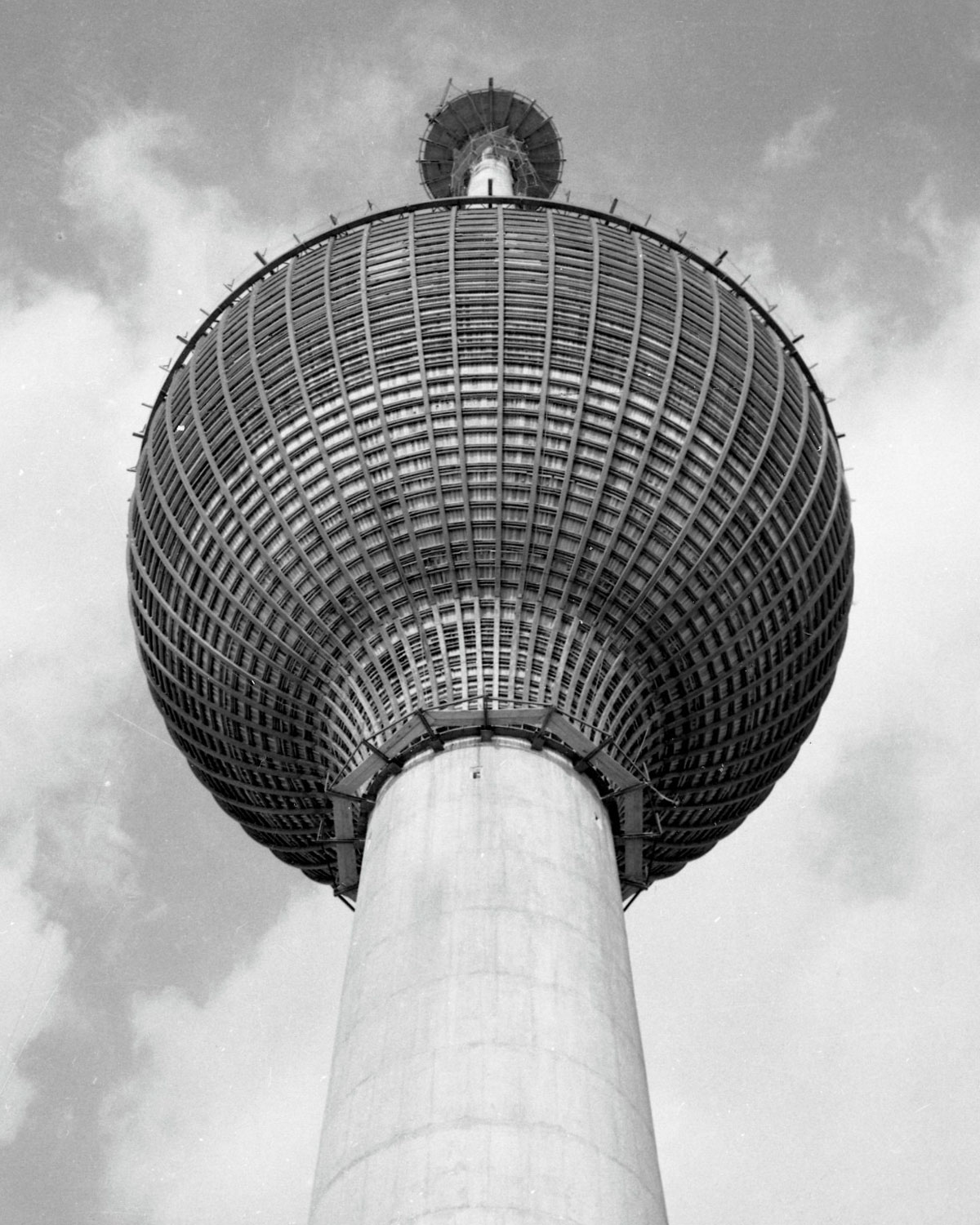
Rare Kuwait Towers Construction Photos

I’m always incredibly jealous of the kinds of photos Bader Alshaiji (@badshaiji) has access to. Thankfully, he loves sharing as much as I do. When I saw he had photos I’d never seen before of the Kuwait Towers under construction, I reached out and asked if he could send them over to me so I could share them as well.

These are rare photos I’ve never come across before, at least not in this quality. They were taken between 1971 and 1975 and show the construction of the towers, including when they caught fire in 1973.

Check them all out on my instagram account @248am, and make sure you follow @badshaiji if you’re interested in old historical photos of Kuwait.


Categories
50s to 90s Photography

Goodbye to the Original KTV Studios

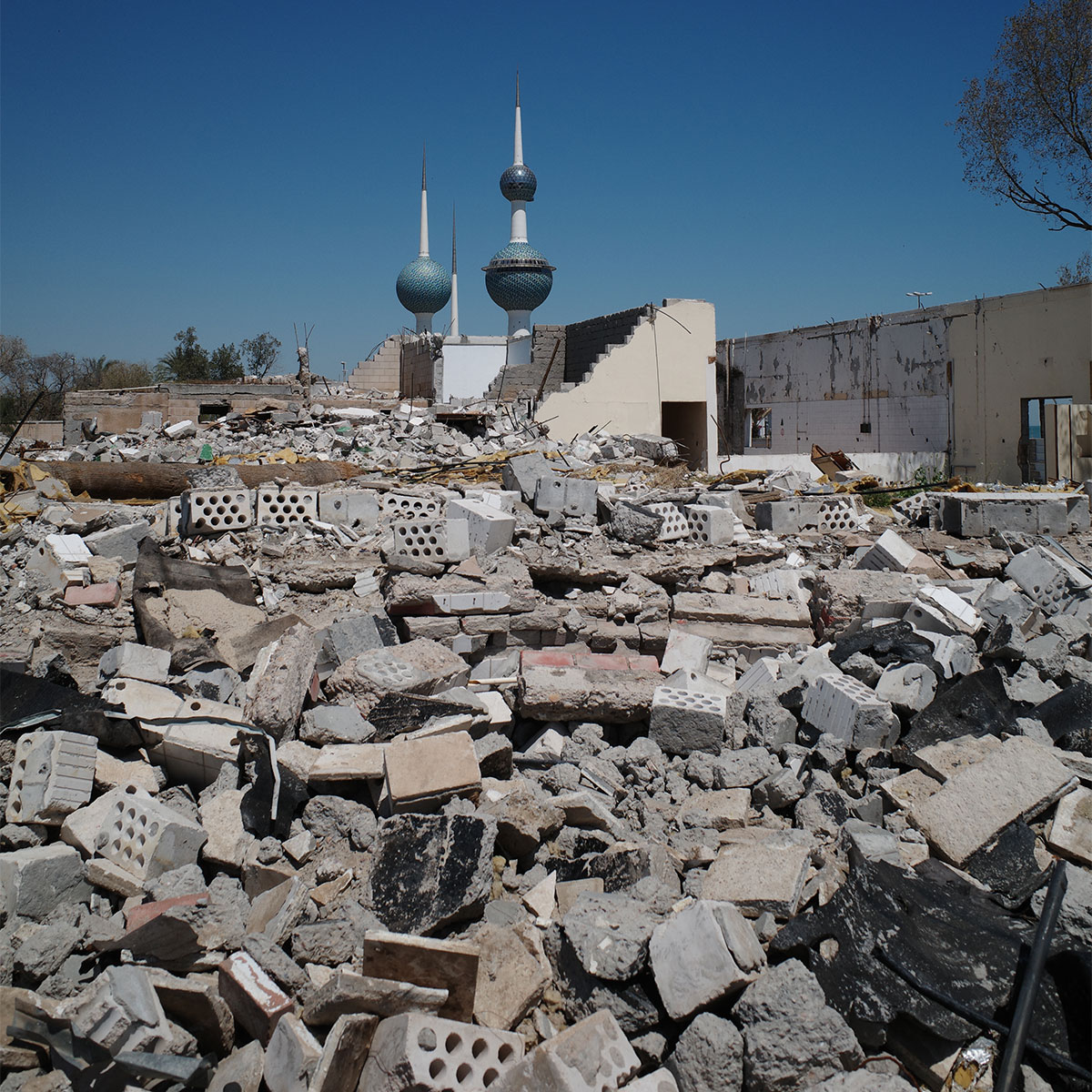
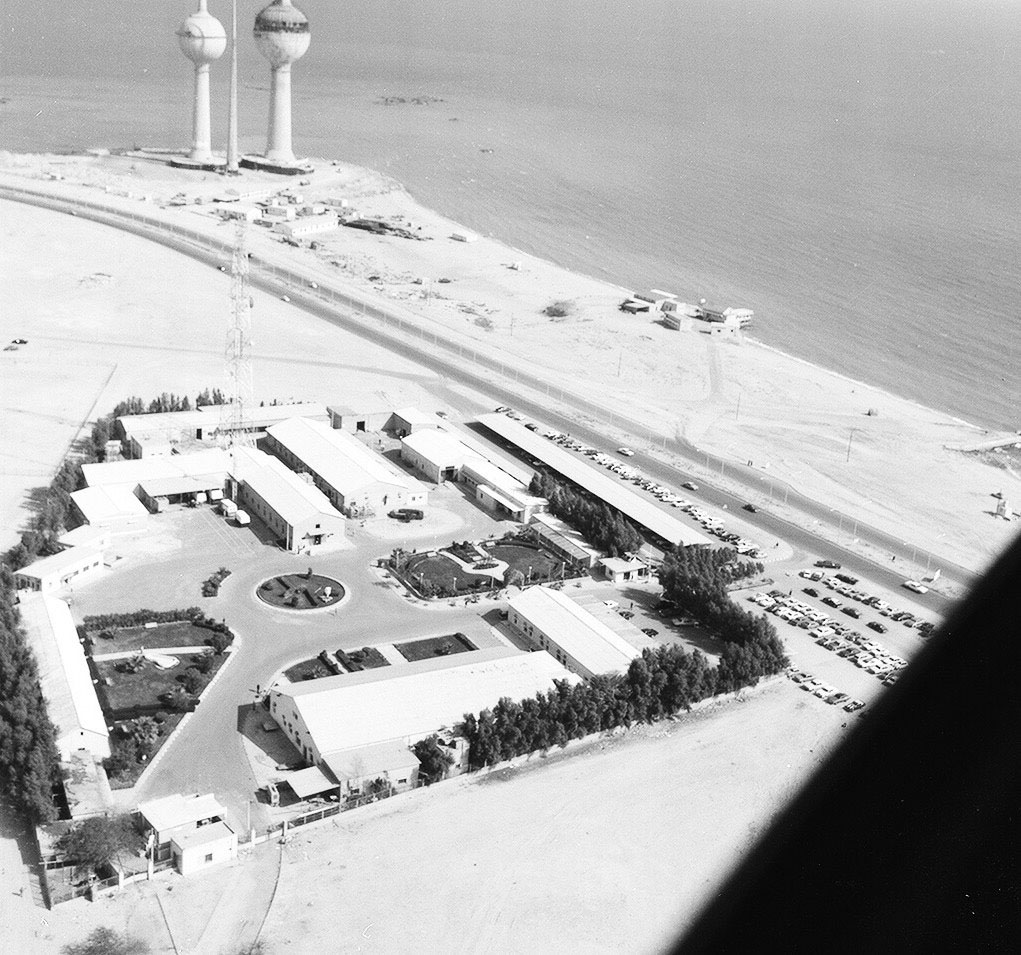
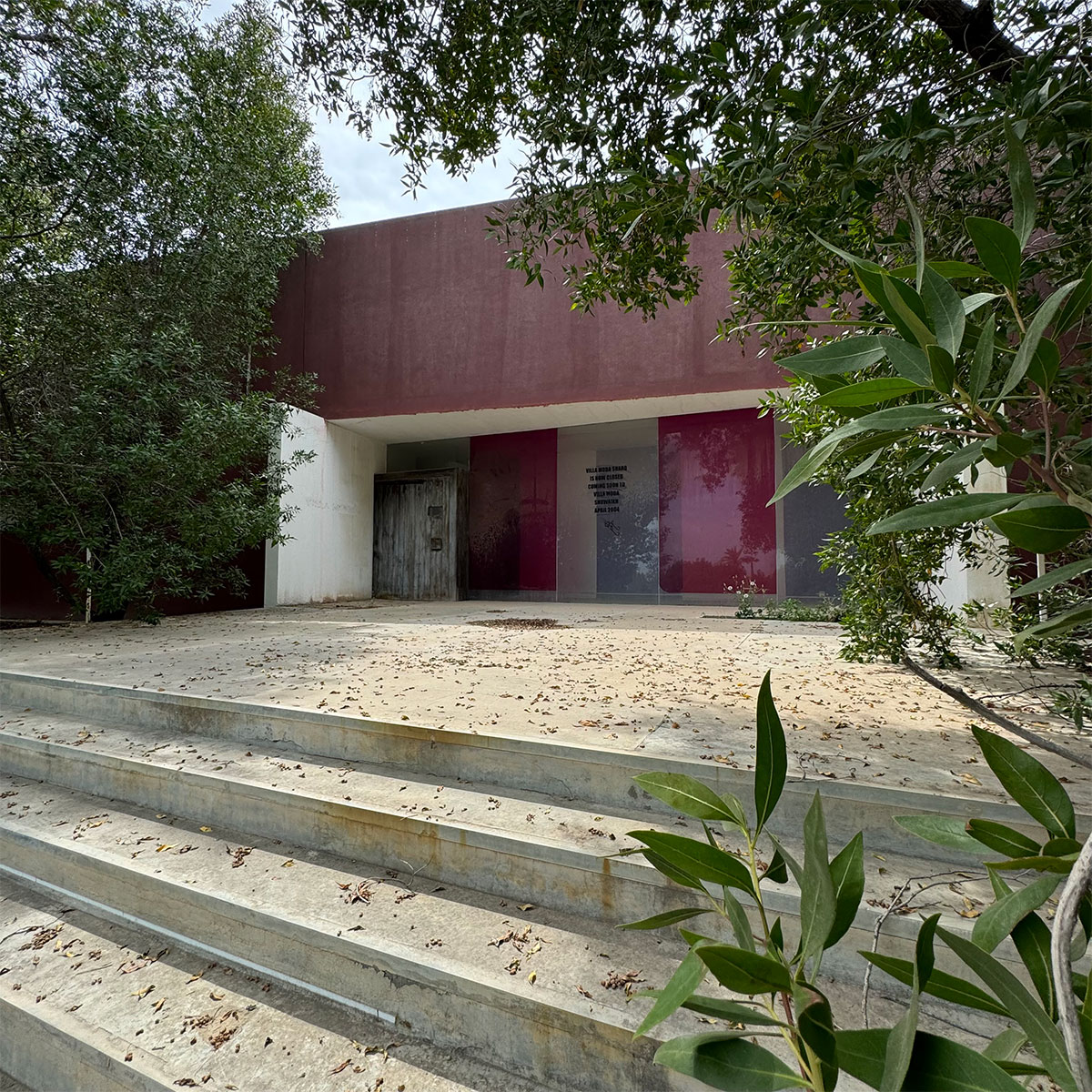
The compound in Dasman that housed the original Kuwait Television studios, and later Villa Moda and Mais Alghanim, has been demolished. It’s located across the street from The Cheesecake Factory on the Gulf Road, near the Kuwait Towers (Google Maps).

I’m not sure how many people who drove past those old warehouse-like buildings knew how historically significant they were. The compound had been abandoned for over 20 years, but I always hoped it would be refurbished and redeveloped either into a creative hub like Qatar’s Fire Station, or a trendy retail space similar to Alserkal Avenue in Dubai.

Besides housing KTV, the first TV station in the Gulf, the buildings later became home to two other iconic Kuwaiti brands.

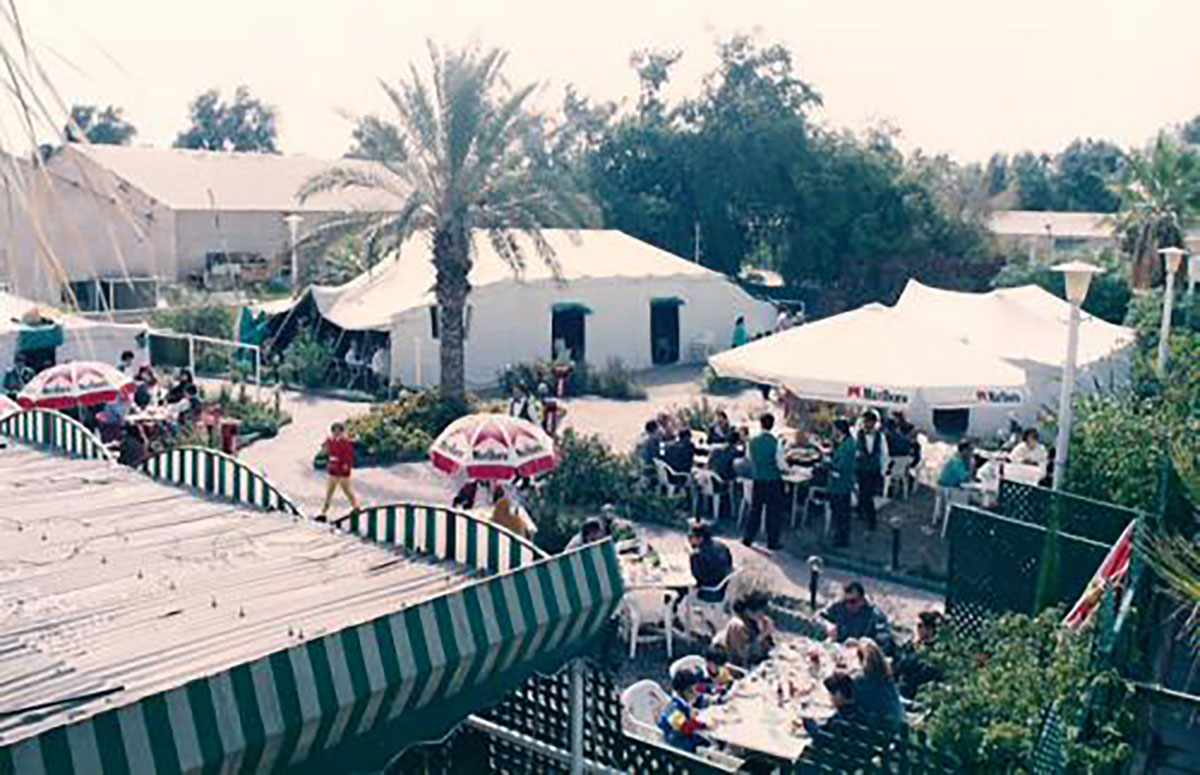
In 1987, “Mess Alghanim” which started off as a staff cafeteria for the employees of Yusuf Ahmed Alghanim & Sons Co, moved into one of the old Kuwait Television building and transformed into a warm family restaurant. It was also that year the name of the restaurant was changed to “Mais Alghanim”.

In 1992, Sheikh Majed al-Sabah opened the first Villa Moda there in one of the other buildings. He was the first to bring Western designers like Donna Karan, Calvin Klein, and Ralph Lauren to the region. Until today when I think of that store I can’t believe how ahead of its time it was.

As a tribute to the compound’s history, I’ve put together an album on Flickr that includes:
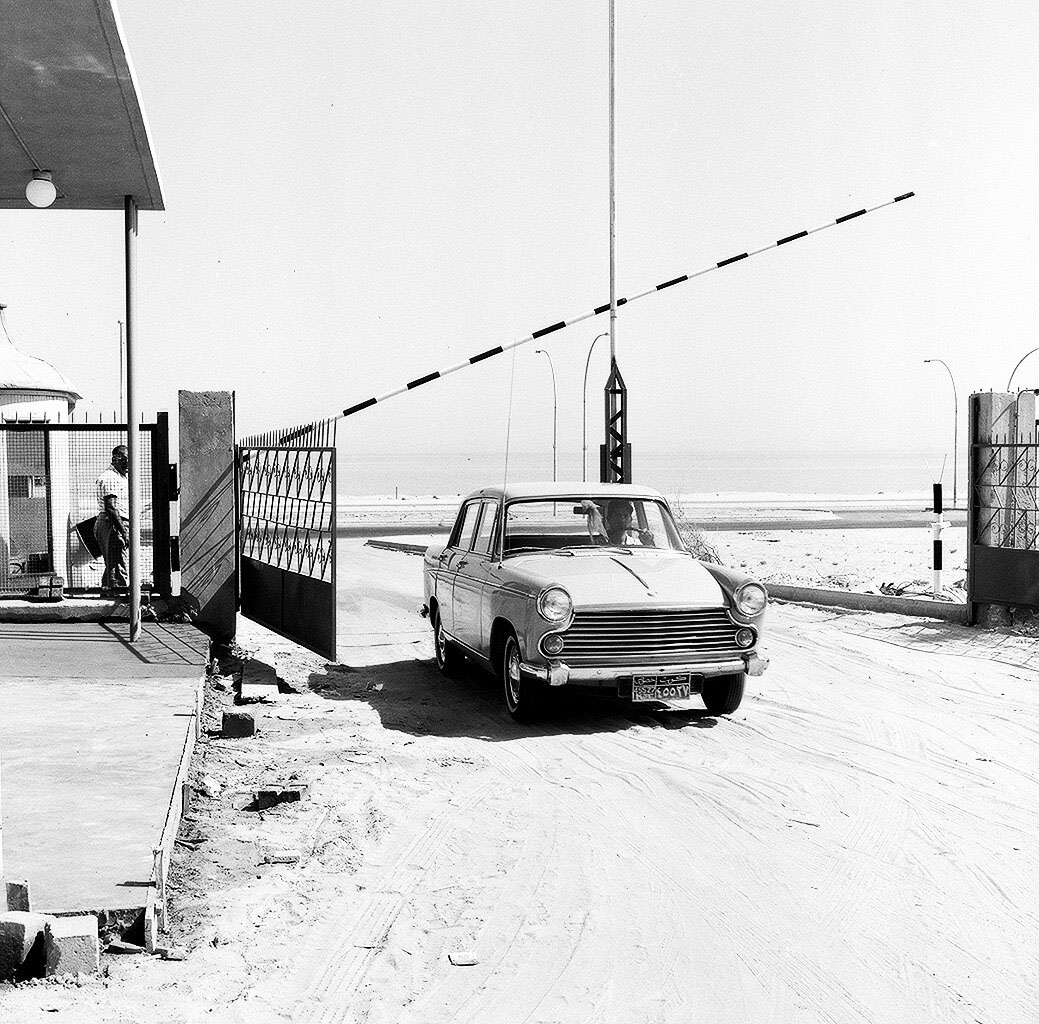
– Black and white images shared by @badshaiji from 1975
– Photos Mais Alghanim when it was still open there
– Villa Moda store after it had shut down and been abandoned
– Photos of the compound taken in 2021 and 2024
– Photos of the compound now being demolished

Check out all the photos here.


Categories
50s to 90s

113

I like the fact that calling 113 still gives you the time. It’s nostalgic.


Categories
50s to 90s Art Design People

The Architect Turning Kuwait’s Past Into Art

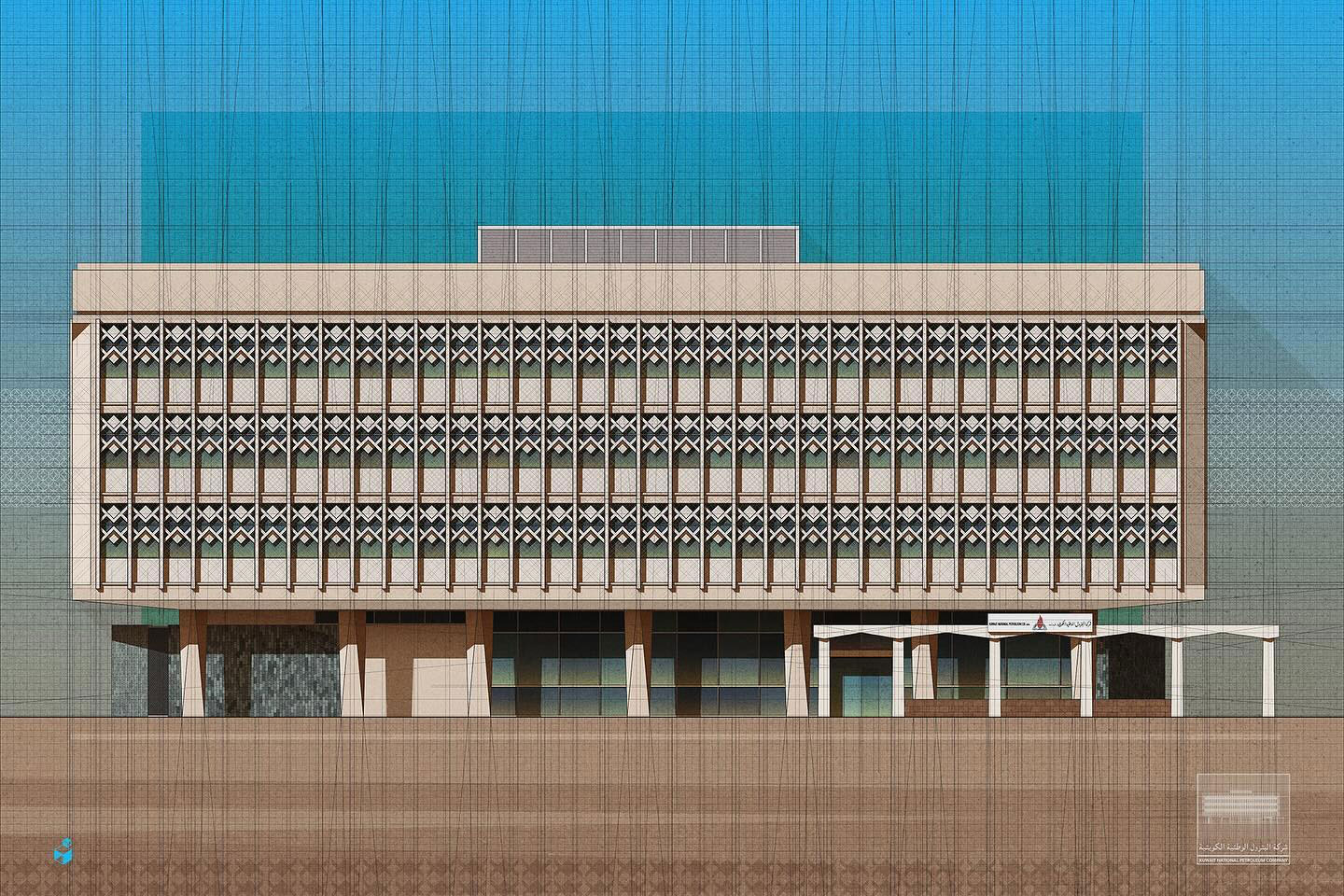
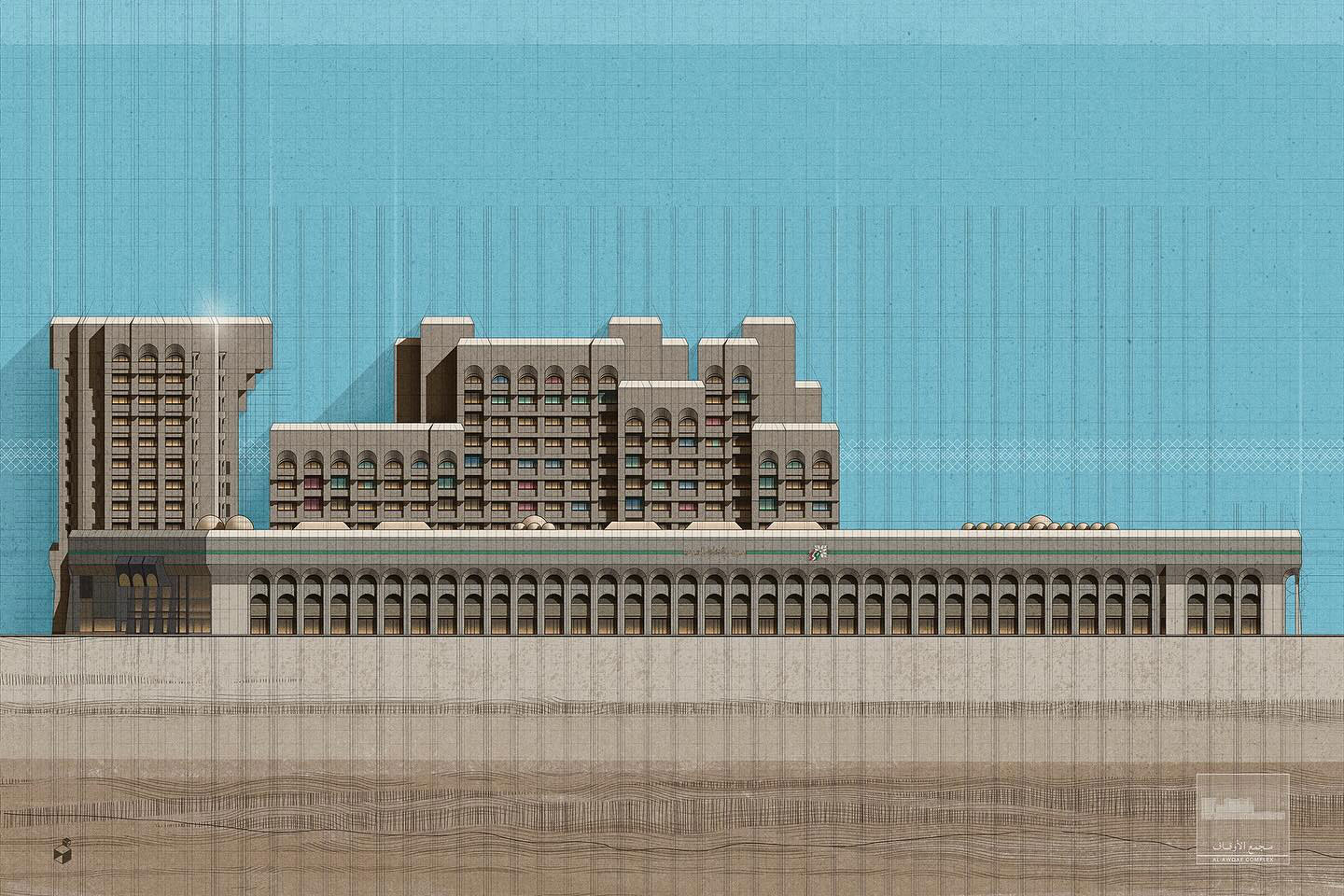
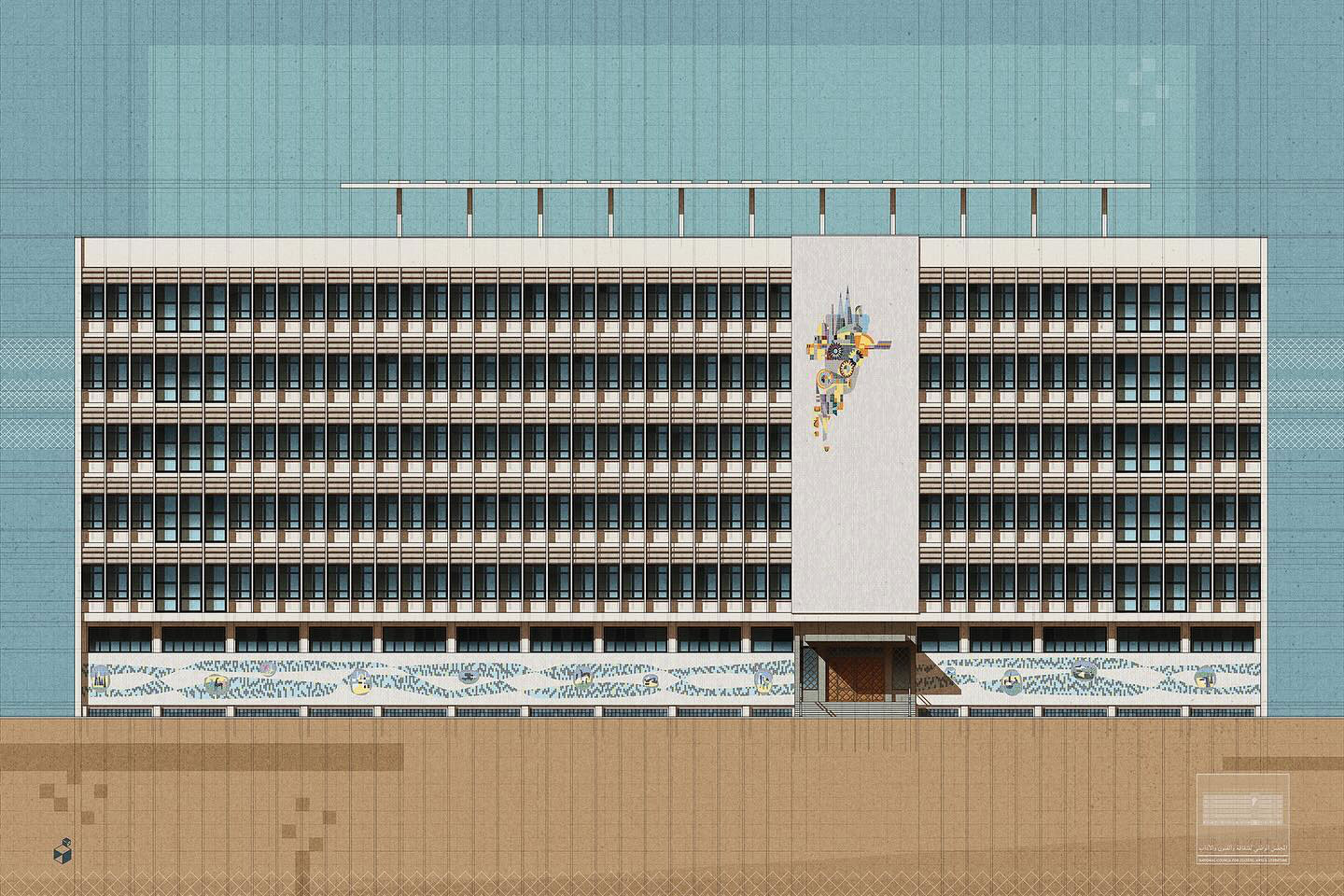
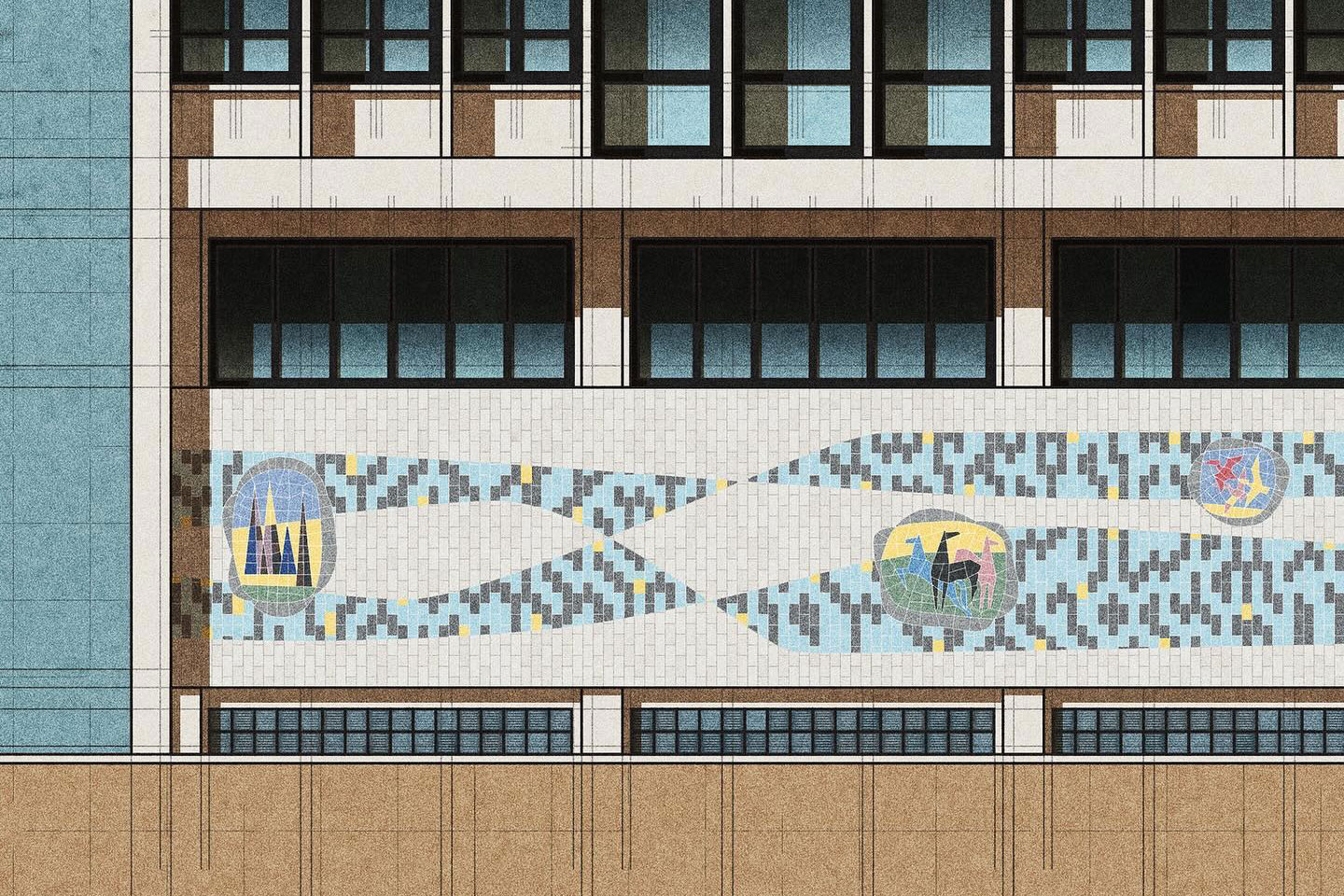
Scrolling through the Instagram account @kap.posters, you’d think you’ve stumbled upon retro blueprints from Kuwait’s golden era of architecture. But what you’re actually seeing is the creative work of Ahmed Safer, an architect and visual artist who creates digital posters of Kuwait’s architectural landmarks.

Kuwait’s modern architectural identity began to take shape in the aftermath of 1946, the year crude oil exports first took off. With newfound wealth, Kuwait became a melting pot of global influences. Western art, literature, technology, and architecture poured in. Brutalism and Modernism, the global architectural trends of the time, found a strong foothold here, and Kuwait embraced it. A wide spectrum of structures were constructed, everything from massive rigid buildings, to colorful and playful villas all reflected this new wave of architecture that defined the 50s through the 80s.

But now, a lot of those buildings are being demolished, and that entire era is disappearing.

KAP Posters is a visual archive, a growing collection of digital illustrations that pay tribute to Kuwait’s architectural gems. These aren’t just digital sketches though. Because Ahmed is an architect, he approaches each building with discipline, precision, and care. He told me he tries to be as accurate and original as possible with his illustrations. He doesn’t draw building extensions or alterations for example. His illustration of the National Council for Culture, Arts & Literature (NCCAL) building for example (above) took 12 days to complete because he had to replicate the exact same number of tiles on the building.

His whole process actually starts with a lot of research, scanning old books, digging through the internet, or photographing buildings in person, often with a drone. He then corrects distortions and stitches the reference images together in Photoshop. Only after that does he start tracing, layering, coloring, and adding subtle details.

KAP Posters isn’t just an art account, it’s turning into a time capsule. If you’re interested in Kuwait’s old architecture then check it out. @kap.posters


Categories
50s to 90s Interesting People

The Story of the Dhow that’s on the KD 20 Note

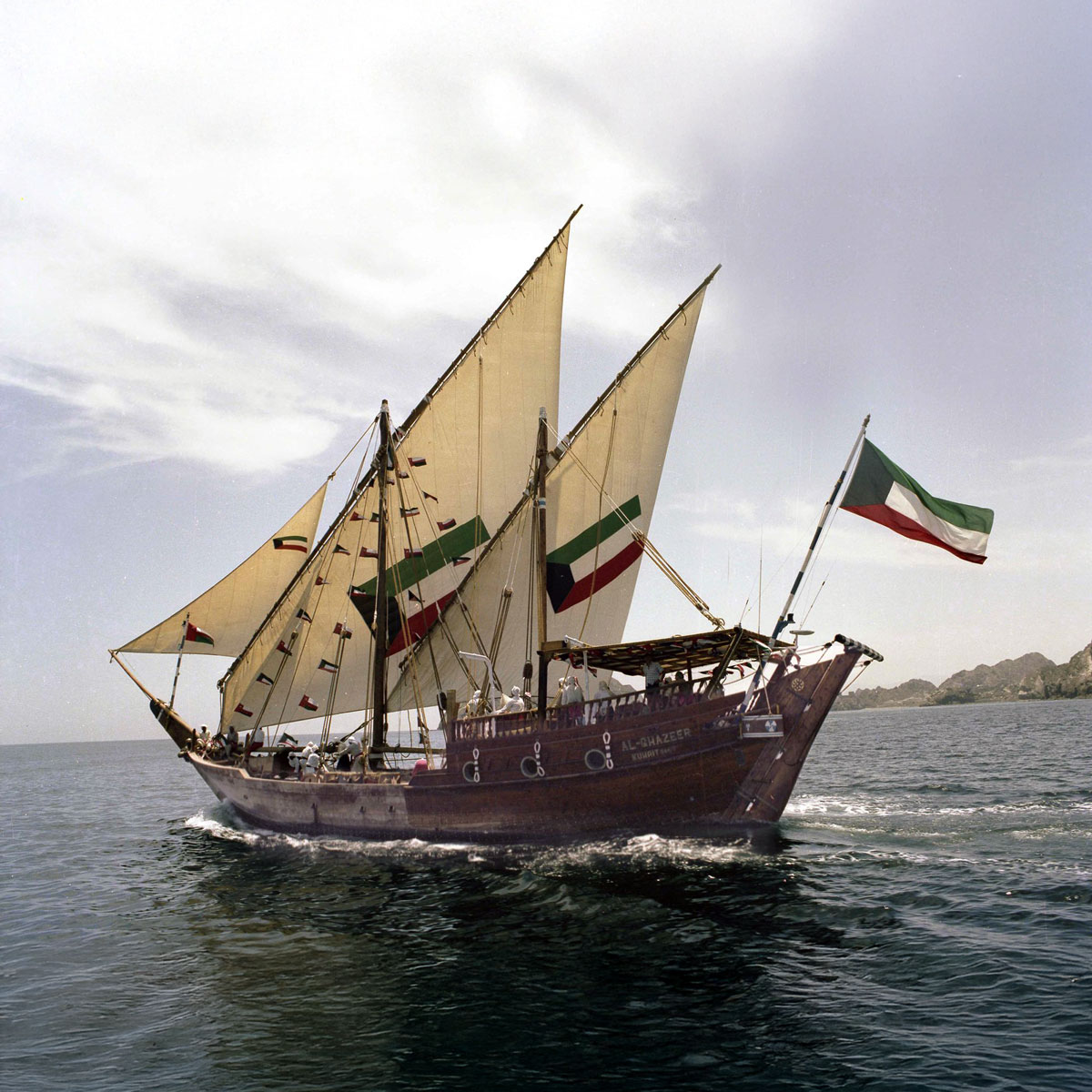
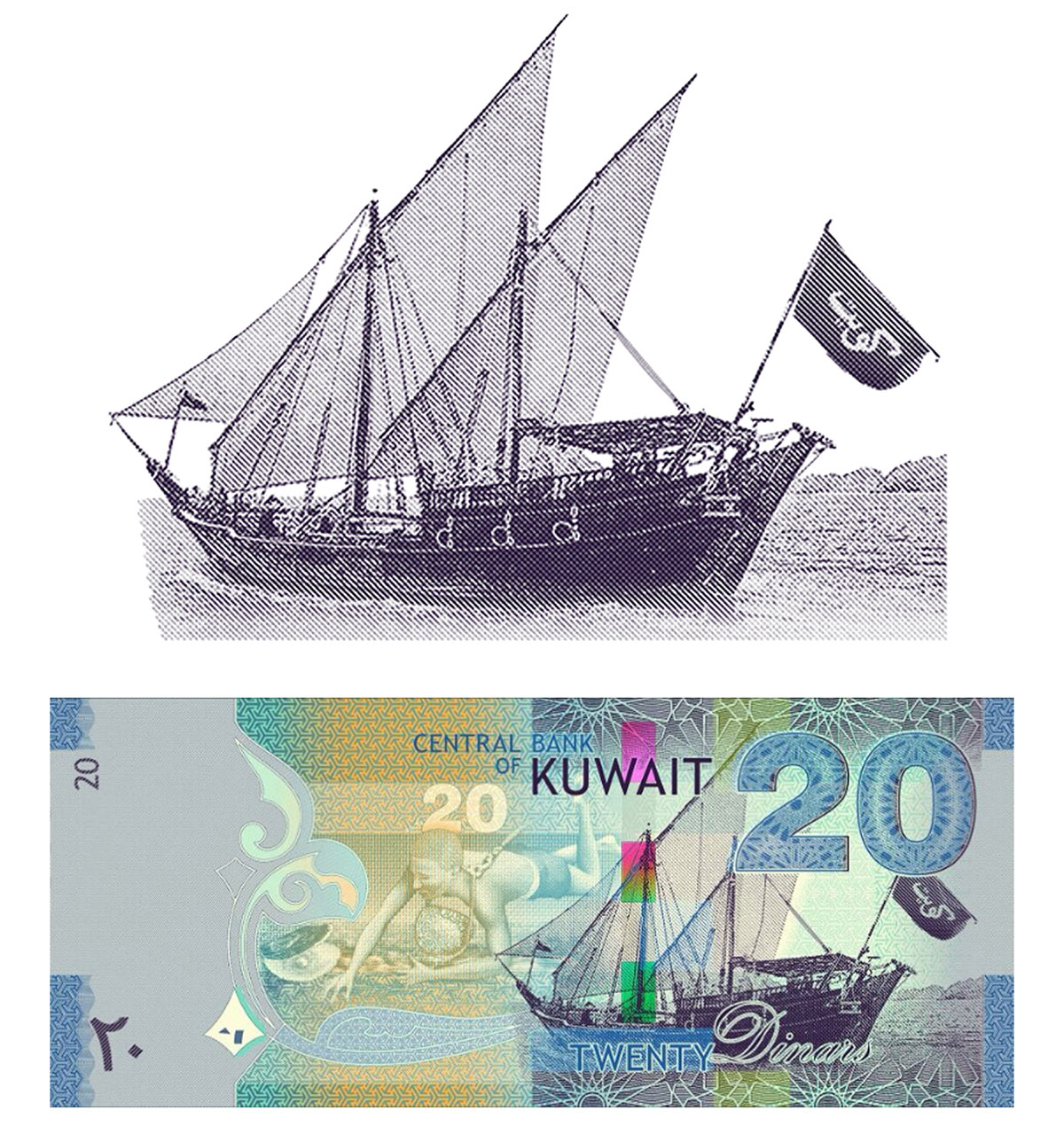
If you look at a KD20 note, you’ll notice a dhow on it. That’s Al-Ghazeer, and I recently found out the story behind it. The illustration on the KD20 was also based on the image used in this post.

This story starts with Mohammad Al-Maskati. Mohammad started sailing at the age of 6 as a Tabab (helper) on pearl-diving vessels, working unpaid while learning the trade. By ten, he was promoted to Rathif (diver’s assistant), earning a small share of profits. Three years later, he became a Ghais (diver) but later moved to trading vessels.

Mohammad joined a trading dhow as a seaman transporting dates and cargo from Basra to India. Within two years, he was entrusted with steering the vessel. Mohammad worked as the Assistant to the Nokhada (Captain) until 1949.

In 1953, Mohammad was appointed as the honorary Nokhada of the fleet belonging to Sheikh Jaber Al-Ahmad Al-Sabah, the future Amir. He also began to utilize his experience and contacts in India within the shipbuilding industry. Over a period of years, Mohammad built 20 ships which he sailed back to Kuwait and the region to sell.

In the 1960s, Mohammad Al-Maskati began working with businessman Husain Marafie. Their relationship proved pivotal, as in the 70s, Marafie enlisted Al-Maskati to build a dhow that would serve as a restaurant for a 5-star hotel he and his family were developing, which later became the SAS/Radisson. The dhow was named Mohammadi II, after Hussain Marafie’s grandfather’s 1916 vessel, Mohammedi I. It was completed in 1979 and became the Al Boom Restaurant in 1982. While building Mohammadi II, there was enough spare wood to build another dhow so Al-Ghazeer was built and completed in 1983.

Husain Marafie and Al-Maskati sailed the Al-Ghazeer dhow from India to Oman, Bahrain, and finally Kuwait, where it received an enthusiastic reception in all three countries.

Al-Ghazeer was later featured on the back of the KD20 banknote as an element that alludes to Kuwait’s rich economic and commercial history that is linked to the deep blue seas.

For the source and more details on this subject, click here.

Note: The post has been updated with additional information since initially publishing.


Categories
50s to 90s Photography

Seif Palace Clock Tower Under Construction

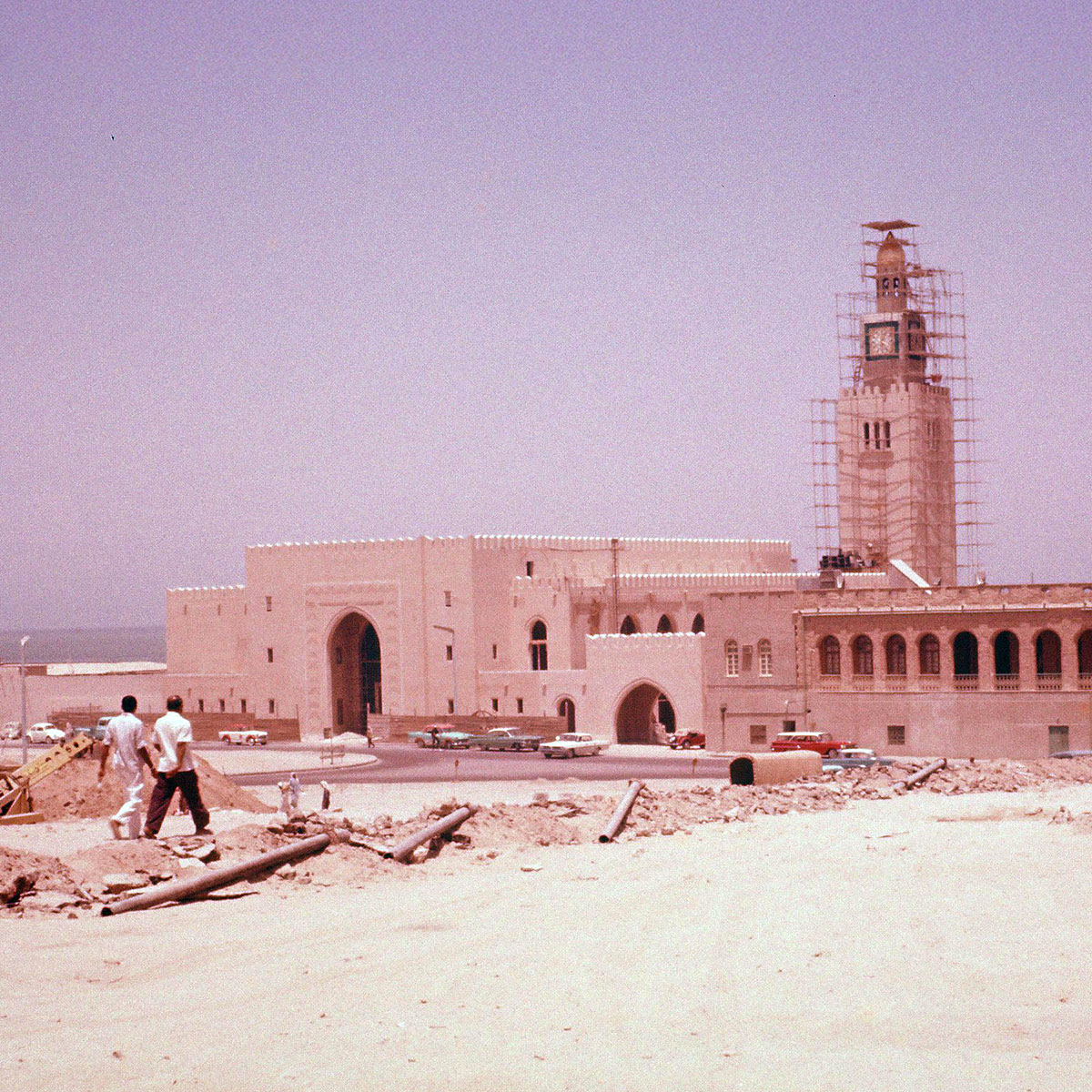
While going through Ghazi Sultan’s photography archive, I came across a photo of the Seif Palace clock tower under construction. I don’t recall ever seeing photos of Seif Palace being built, especially the clock tower. When I previously posted about the clock’s history, I searched but couldn’t find any images of it during construction, which is why I found this simple photo so interesting.

Seif Palace was originally built in 1904, but over the years it was renovated and expanded a number of times. In the 1960s, as part of the second expansion, a new building was constructed which was characterized by a high tower that ended in a gold-plated dome with a clock. Construction of the expansion was completed in 1964.

The Seif Palace clock which was engineered by the UK based clockmakers Smith of Derby, was installed in January 1962. This means this photo was most likely taken between 1962 and 1964.


Categories
50s to 90s

Original KTV Buildings Getting Demolished

I noticed today that they’ve started demolishing the original KTV buildings on the Gulf Road. I don’t know why but I always imagined refurbishing the block and turning it into something like AlSerkal Avenue in Dubai, large spaces housing art galleries, cafes, lifestyle shops.

I’ve heard they’re planning to build a large gym on that plot, not sure how accurate that info is but it would suck if thats why these buildings were demolished.


Categories
50s to 90s Photography

More Old Kuwaiti Houses from the 1960s Captured by Ghazi Sultan

A few weeks ago, I shared photos of old Kuwait taken by Ghazi Sultan (1941–2007), a Kuwaiti architect and urban planner. Ghazi was regarded as one of the key figures in Kuwait’s modernization and is best known for the waterfront project, including Green Island.

Since that post got so much engagement, I was granted access to his full archive and I will be publishing posts in collaboration with @ghazihamadsultan whenever I come across something interesting. I already have a few posts lined up, starting with these photos taken by Ghazi Sultan of Kuwaiti homes in the 1960s, many of which were either under construction or newly completed.

To check out all the photos from his archive, click here.
To find out more about Ghazi Sultan, visit ghazisultan.com


Categories
50s to 90s Information Photography

Kuwait in the 1960s by Ghazi Sultan

Ghazi Hamad Sultan Bin Isa (1941-2007) was a Kuwaiti architect and urban planner who is regarded as one of the key figures in the modernization of Kuwait. He is best known for the waterfront project (including Green Island) which was developed jointly with Sasaki while working for the Ministry of Public Works. Ghazi Sultan is also renowned for his significant contributions to the Arab art movement. In 1969, he founded Sultan Gallery (@sultangallery) with his sister Najat Sultan, and it remains active to this day.

Ghazi’s son, Zahed Sultan (@zahedsultan), recently launched a website and Instagram page (@ghazihamadsultan) to honor his father’s legacy. According to Zahed, both platforms will be updated regularly, as his father’s archive holds a wealth of material to share.

One section of Ghazi Sultan’s website contains photos of Kuwait taken by him in the 1960s. I’ve decided to share these for now and will hopefully post more stuff from his archive in the future, espcially the architectural projects.

If you want to find out more about Ghazi Sultan, or view the photos he took, head over to ghazisultan.com


Categories
50s to 90s Information Sports

How Haydo came to be Kuwait’s mascot

I originally posted about Haydo back in 2006. But, this is the story again with some details corrected. I no longer know what the original source of my information was, but there were some timeline inaccuracies and some exaggerated details. So this is as accurate as the story can be with the information I found.

Back in October 1981, Kuwait played a World Cup qualifying match in New Zealand. Just before kickoff, some Kiwi fans displayed an offensive banner reading “Stick to ya camels” as the Kuwaiti team came onto the field. Kuwait went on to win that match, 2–1.

A couple of months later, the two teams met again, this time in Kuwait. The Kuwaiti Football Association adopted a camel named Haydo as its mascot, and just before the game started, they brought out a few camels to parade around the stadium—demonstrating Kuwait’s pride in its heritage. Kuwait drew the match and secured qualification for the 1982 World Cup in Spain.

Kuwait was the first Arab country from Asia to qualify for the tournament. A Spanish newspaper later claimed the Kuwaiti national team would be late to the World Cup because they would be “traveling on the backs of their camels!” Contrary to that prediction, Kuwait arrived early—so early that neither journalists nor locals knew they were even in Spain.

In an effort to gain attention, the head of the Kuwaiti Football Association told a French journalist (who was there to cover the arrival of the French team) that “the Kuwaiti team would withdraw from the competition unless they could bring their mascot, Haydo.” Within hours, the hotel was packed with reporters keen to find out more about the camel mascot.

Eventually, the Spanish authorities and the hotel manager agreed, allowing the Kuwaiti team to bring their camel as long as it stayed in the hotel’s backyard. The head of the Kuwaiti Football Association then called the Moroccan Minister of Sport, requesting that a camel be sent to Spain as soon as possible. He also ordered a custom T-shirt for it.

All the buzz surrounding the camel drew a lot of attention from locals and journalists, making Kuwait’s presence truly felt. From that point on, Haydo became the official mascot of the Kuwaiti national team.


Categories
50s to 90s Information Mags & Books

Wizr – Scans from the Books

Last week I found a copy of the second Wizr book on a website in Czech Republic for like 2KD and bought it. It’s my second copy, and although I didn’t have plans for it originally, someone gave me the idea of scanning and digitizing the books so I might end up sacrificing this extra copy by taking it apart and scanning the pages.

I first posted about the Wizr 10 years ago. Wizr was a series of stories written by Keith Wells, a British journalist who was living in Kuwait back in the 70s. Keith used to work for Arab Times, and between 1979 and 1984, released three Wizr books with the help of Peter McMahon, an illustrator. To me the stories feel like funny blog posts inspired by his experiences in Kuwait, from dealing with ministry paperwork, to poking fun at the driving here. I was communicating with Keith this past week, getting some more info for this post, and he’s still a pretty funny guy. He left Kuwait in 1987 and is now retired living with his wife Suzi in Australia.

Keith originally met Peter at a party. Peter hadn’t read any of the Wizr stories so when Keith told him who Wizr was, Peter picked up a sheet of paper, scribbled away for a minute or two, then held it out and asked Keith, “Him?” It was perfect. After that, both became close friends.

Keith would write a story, take it to Peter’s flat every Friday, and he’d illustrate the cartoon. The combination became very popular and after a couple of months in the Arab Times, they were approached by Tony Jashanmal, who owned a department store on Fahed Salem St, and Bashir Khatib, who owned the ‘The Kuwait Bookshops’ to publish a book full of the stories. The first book one was launched at the British Embassy Gardens in November 1979. They sold 428 copies that night, and Keith and Peter left home with a bag full of cash.

The two carried on working together for around a year, then Peter was murdered, a long sad story (which I’m hoping to get more information on soon). The second Wizr book was published with cartoons that weren’t used for the first, and the third book used odd scraps and recycled pics. The books are pretty hard to come by so I was curious to how many copies were printed. According to Keith, in total, they printed 10,000 copies of the first two books, and around 5,000 of the third. There were only around 4,000 or so native English speakers in Kuwait back then, but according to Keith most people bought multiple copies of the books and sent them to relatives and friends abroad.

Keith still has around 50 copies of the books left, as well as Peter’s original cartoons, and several of his oil paintings. He’s digging through his stuff to see what else he might still have. We’re both trying to figure out what to do with all of it, maybe ship everything to Kuwait and hold an exhibition. I suggested maybe putting him in touch with the British Embassy and maybe have them bring him over and have some sort of event again in the British Embassy Gardens, like a 45 year anniversary thing. If you have ideas, let me know!

The books aren’t easy to come by, but they do pop up online every now and then. I scanned a few pages and illustrations from the book and uploaded them to Flickr. I’ve included the unedited scans, as well as scans I’ve edited where I’ve combined the stories and illustrations to fit on one page. You can check them out here.