Categories
Guest Bloggers Sports

Mondays with Matthew (on Tuesday): Sport – let the games begin

lewis

The United Kingdom has a new champion! Formula 1 racing driver Lewis Hamilton was crowned world champion at the end of yesterday’s end of season Grand Prix in Abu Dhabi. British newspapers are full of images of a jubilant Hamilton and headlines such as the “Start of something special” and “Best day of my life”. Perhaps the fact that he beat his team-mate and long-term rival, German driver Nico Rosberg, makes the victory seem even sweeter. For the UK, our rivalry with our European friends always adds an extra twist to the competition.

So what if journalists play down the fact that Hamilton and Rosberg both drive for a German team? Painful memories of England’s exit from this summer’s FIFA World Cup, and Germany’s victory, are long forgotten. Glory is in the moment and the victor enjoys the adulation. Who cares if Germany won the World Cup, we have Lewis!

Well, lots of people care, and not just 80 million justifiably proud Germans (congratulations mein Freund), but that was last summer.

Today, I feel Kuwait’s pain. Losing 0-5 to Oman last week appears to have caused a national shock. As a Briton, I’m not unused to sporting disappointment. Don’t misunderstand me, I am no football expert. I enjoy a kick-around with the kids, but that’s it for soccer. However, I learned a few years ago that it’s very difficult for a British Ambassador not to take an interest in sport, and football in particular. This initially posed a problem for me. Apart from my rather limited ball-skills, I had grown up playing rugby, hockey, and athletics. I have always enjoyed watching the World Cup and European Championships, but not much more. Suddenly I needed a “team”. Naturally, I chose Liverpool. I was born there. I also remember Kevin Keegan, John Toshack and Kenny Dalglish. So I have become a Liverpool supporter. At least I’ll never walk alone.

liverpool

Except, here in Kuwait, I keep meeting Arsenal or Chelsea fans. Why is that? Where are all the Liverpool supporters? I did meet a Tottenham supporter the other day. And of course, I know about Kuwaiti links with Nottingham Forest and Ebbsfleet United. I’ve even met some enthusiastic Kuwaitis who fly to the UK to watch the occasional match before heading home again the following day. That’s more dedicated than I’d ever be, but it’s great to know that football is so popular here. It has also been good to learn about other Kuwaiti sporting interests – and successes: the shooting team and other medallists at the Asian Games in South Korea this autumn; the early morning cycling clubs out on the Gulf road every Friday; the numerous youth football clubs playing across the city; and the Triathlon that took place last month. People taking part in these activities may have been disappointed too by last week’s score. But they keep training, enjoy the competition, and play for the fun and thrill of the game.

People always rediscover their love of sport. Anyone and everyone can have a go. It brings people together. What do you think of sport in Kuwait today? Can more be done to help people enjoy the benefits it brings, and the joy it can give?

Post by Matthew Lodge
British Ambassador to Kuwait
Instagram: @HMAMatthewLodge Twitter: @HMAMatthewLodge
Categories
Events Music Videos

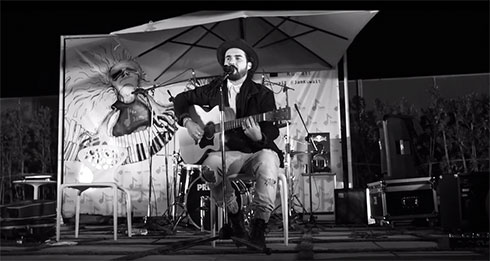
Jam Kuwait Show #1

If you missed the first Jam session this past Friday at CAP you can now watch most of the performances online since TJC Films just uploaded 43 minutes of non stop music. I missed the event but from the feedback I heard it’s definitely one not to miss the next time it takes place. [YouTube]

amin


Categories
Design Events Personal

The Nuqat Workshops

nuqat1

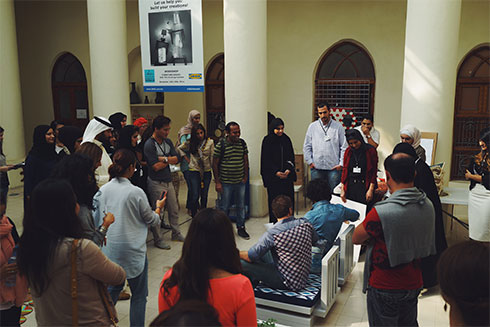
Last week I wasn’t posting as much since I was taking two workshops at the Nuqat design conference, a furniture design workshop from 9AM to 1PM followed by a fashion design workshop from 2PM to 6PM. They both turned out to be a lot of fun and the whole experience was memorable.

nuqat2

Furniture Design: Defy the Existing Function
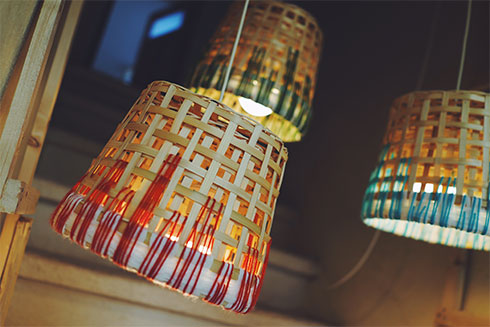
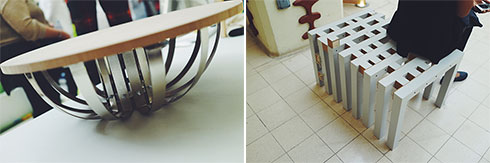
The furniture design workshop was done in collaboration with IKEA and was run by the award winning furniture designer Younes Duret. It was basically an IKEA hack workshop in which we had to repurpose one product out of the 35 they had made available to us. There were around 26 people taking the workshop with many of the participants coming in from around the region to take part. The final work was pretty astounding since there were quite a bunch talented people taking part.

nuqat3

Fashion Design: Fashion Meets Technology
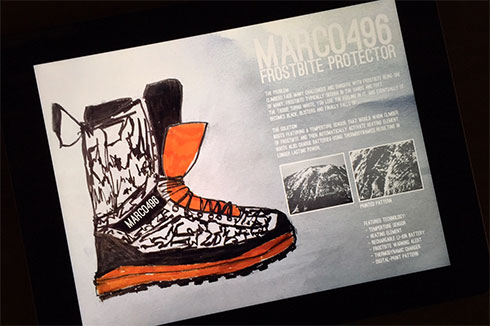
The second workshop I took part in involved wearable technology and as a geek/designer I wanted to see if there was anything I could possibly bring to the table. The workshop was run by the super talented Sarah Hermez of the non profit fashion school, Creative Space. While the furniture design workshop was held at the Sadu House, the fashion design workshop was held at Fab Lab. What is Fab Lab? Fab Lab is part of MIT’s Fab Foundation and the Kuwait Fab Lab is part of the world wide network which spans 30 countries. It’s a ridiculously cool place where you can go fabricate products as well as take part in educational workshops (all for free). They have 3D printers, CNC machines, laser cutters, a robotics lab and even an in house patent registration office. I’m actually going to post a separate post about them since the place is just insane. After experimenting with different technologies over the four days, for my final project I ended up creating a fashionable and functional pair of mountaineering boots that came with a built in frostbite detector (pictured above). I also just for the experience learned how to drape a dress which if you were following me on snapchat you would have gotten a glimpse of my undeniable talent in making sexy dresses.

nuqat4

The Nuqat workshops were filled with positive energy and I got to meet a lot of people and learn quite a bit. I’ll definitely be taking part again next year although most likely I’ll take just one workshop next time since two was just too exhausting.


Categories
Photography

Red Bull 5pics Photography Competition

5pics

Red Bull is holding their 5pics competition for the second year in a row. If you’re a photographer (amateur or professional) and want to participate, all you need to do is register with them and share what Kuwait looks like “through your eyes” by uploading 5 of your best photos.

The prizes are
First Place: MacBook Pro 15″ with Retina Display
Second Place: Fuji Film XM1 + Lens
Third Place: GoPro Hero 4

To participate or get more info about the competition, visit www.redbull.com/5pics. Submission deadline is November 26, 2014.


Categories
Blog Info

Posting Times

Just an FYI, for the next four days I’ll be attending a Nuqat workshop from 9AM to 1PM. That’s usually the time I post on the blog so for the next four days I’ll most likely be posting in the afternoons instead or I’ll have to start preparing my posts the evenings before which I tried doing last night but failed miserably…


Categories
Events Things to do

Things to do in Kuwait this weekend

brunch

Lots of things taking place this weekend. My personal picks would be the Nuqat Creative Conference which starts today and continues on through the weekend, the Al Hamra Urban Lounge which is back again this year, there is a Winter Bazaar taking place tomorrow and on Saturday you have the brunch at The Secret Garden which shouldn’t be missed. Check out the full list of events for this weekend below:

Thursday
Exhibition: Honolulu by Arwa Abouo
Ahmadi Music Group Concert
Nuqat Creative Conference
Al Hamra Tower Urban Lounge
Rooftop Movie: Rosetta

Friday
Ahmadi Music Group Concert
Nuqat Creative Conference
Yellow Parade
The English School Winter Bazaar

Saturday
Nuqat Creative Conference
Kuwait Open Quiz 2014
642 Marathon
Saturday Brunch at The Secret Garden
Freestyle Football Event
Rooftop Movie: Carnage

If you’d like to share an event on the blog [Email Me]


Categories
Guest Bloggers

Mondays with Matthew: Visitors Welcome (2 of 2)

visa

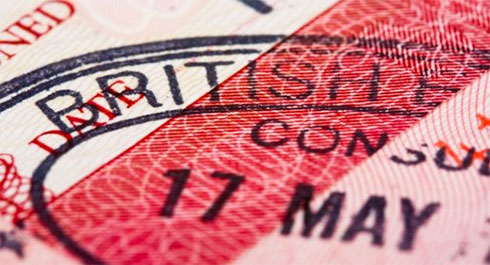
Hello again. I knew that my post last week on why we need a visa system would prompt a lot of comments, and I was not disappointed! I have attempted to answer as many of them as I can – please take a look (especially if you posted a comment).. and let me apologise if we have fallen short on occasion. No system is perfect, but we are doing the best we can.

I am glad to say that the vast majority of visas are processed smoothly, efficiently and without incident. We need to make sure that happens all the time. It is obviously more challenging in busier times. But, for example, we are currently processing priority applications in 2 working days (against a target of under 5 days) and ordinary applications in 3-5 working days, rather than 15. On another point one of you has raised – we have updated the VFS website so that it now explains correctly the number of photos needed (thank you Khaled for pointing that out). And yes, the parking arrangements need to be better. We’re working on it…

For this week’s second part on visas (I promise I’ll move onto something more exciting next week), I said I’d offer some tips on how to make the process work as well as possible for you. Our responsibility is to make sure visa applicants are served courteously, quickly and efficiently and that you have all the information you require. Here’s a few pointers about how you can help yourselves (and help us!):

– Always apply as early as you can. Not only does this mean it is cheaper (you don’t need to pay for the priority service), it also allows more time to sort out any difficulties and should reduce any stress. Why not apply for your visa as soon as you have booked your flight?

– Make sure you apply for the right visa. Sounds obvious, but if you’re going for medical treatment, make sure you have a medical visa. If you’re going to study, get a student visa. If you do either of these things on a visit visa you risk getting into difficulties with the immigration authorities – and that will make it harder for you next time you apply or travel.

– Always provide the correct documents (details on the website)

– Fill in the forms yourself – don’t get someone else (like an agency) to do it for you to ensure you’ve input all the correct information

– Please provide a personal e-mail or mobile number so we can contact you if necessary – and we can then provide progress updates on how your application is going.

– If you’re a regular traveller, it may be worth paying extra for a multi-entry 5 or 10 year visa. They are expensive, but worth it in the long run.

Finally, please let us know if we are not doing what we say we will do. That way, I hope we’ll be able to do better in future. Now to more exciting topics, what would you like to talk about next week?

Post by Matthew Lodge
British Ambassador to Kuwait
Instagram: @HMAMatthewLodge Twitter: @HMAMatthewLodge



Categories
50s to 90s Videos

British Troops Defend Kuwait (1961)

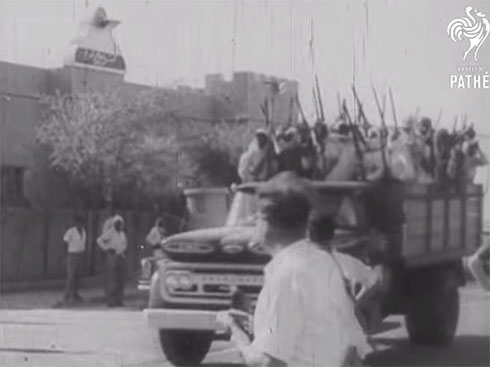
British Pathé have been uploading their historic archive of news onto YouTube and awhile back they uploaded this short clip related to Kuwait which I had somehow missed. [YouTube]

Thanks Roberto

britshtroops


Categories
Kuwait

The Secret Garden Project

secretgarden1

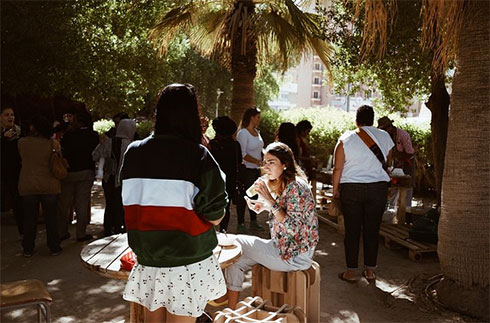
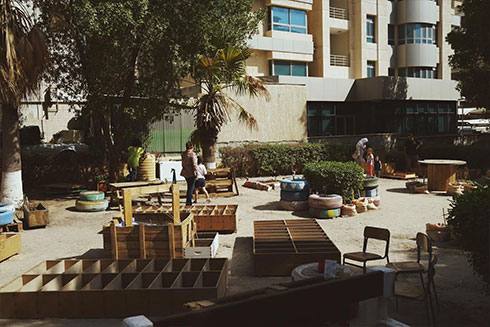
The Secret Garden is a new project by Mimi, the same person behind the popular Shakshooka nomadic farmers market. She originally started the project last year but shifted it to full gear around a month ago and I passed by yesterday to check the place out and left extremely impressed.

secretgarden2

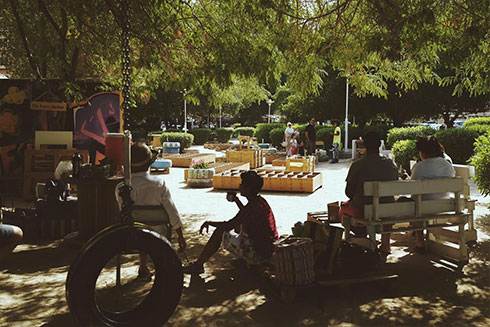
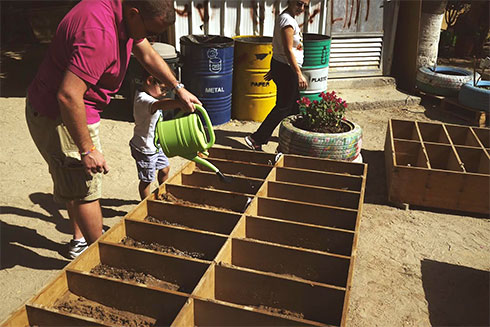
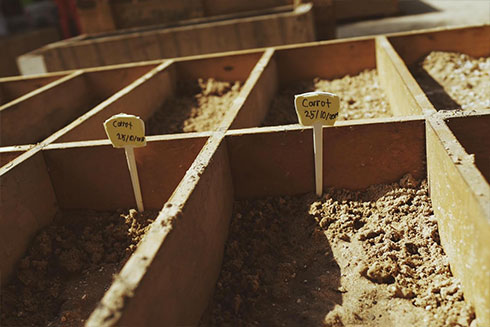
The Secret Garden simply put is an urban community garden. Mimi got permission from the municipality to occupy part of a public garden in Salmiya and setup planting stations so that people and children could come and grow their own vegetables, herbs and fruits. Majority of the garden was built using recycled material and they even have their own compost pit which they’ve started filling up in hopes of it being ready for next year.

secretgarden3

Every Saturday the community is encouraged to come by the garden from 9AM till sundown to either plant, paint, build or just socialize. Mimi has some great plans for the future including possibly turning the garden into the permanent spot for the weekly Shakshooka farmers market, having gardening workshops and even hold film screenings in the garden.

secretgarden4

I’ll be posting about The Secret Garden every weekend with the rest of the weekend events to keep everyone posted on whats taking place there so stay tuned. For now you can check out more pictures of the garden by following @mimikuwait on instagram or the hashtag #thesecretgardenproject


Categories
50s to 90s Kuwait Photography

The KOC Photography Archive

koc2

Earlier today I visited the Kuwait Oil Company offices in Ahmadi since a friend of mine helped me get permission to access their full photography archive. So, I headed there with my portable hard drive expecting to find a few interesting images that I’d copy and then leave. That didn’t exactly happen and I’m not sure I have the words to explain what I saw.

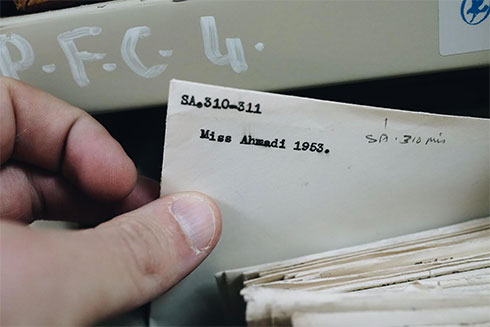
They have two rooms, the main archive room and a smaller negatives room. The negatives room is covered with drawers that are filled with film negatives of every event thats ever occurred in Ahmadi from the late 30s up till now. By every event I literally mean every event, every party, every play, every school activity, every PR activity… EVERYTHING. They’ve literally been documenting Ahmadi since Ahmadi started. Not only that but they’ve also been documenting Kuwait so there are a tons of old photos from all around Kuwait like the old market, Entertainment City, Muthana Complex, etc… you name it and they most likely will have it (except for photos of Kids R’ Us which I looked for and didn’t find). The room is extremely organized with different drawers containing different kind of activities so for example the negatives for the Social Activities are all located in two columns of drawers (around 8 drawers high). The highest drawer contains the oldest photos while the lowest drawer the newest. Each envelope is dated and has a description of what’s inside and there are over 300,000 negatives of which only around 50,000 have been digitized so far. The reason they didn’t lose majority of the archive during the 1990 invasion is because employees took boxes filled with negatives and hid them in their homes until the war was over.

koc1

I spent a bit of time flipping through the drawers but the majority of the time I was sitting in the main room where a computer is connected to their server containing all the digitized copies of the images. Finding photos involves searching for something specific, so for example you search for the word “market” and the database will pull out a list of names of all the envelopes that have the word market in them. You then read the descriptions and if you find one that is related to what you’re looking for, you need to copy the number and then go to a certain folder on the hard drive and search for that number to pull up the images. It’s not a very quick task at all.

So anyway, this is whats going to happen. Right now I have a hard drive filled with images from today which I am going to start posting next week probably under the heading “The KOC Archive” or something like that. I also told them I would visit them at least once a month so I could continue to dig through their archive. If there is anything specific you guys want me to find let me know and I’ll write it down and look for it on my next visit.


Categories
Apple Reviews

iPhone 6 Followup Review

Late last month I picked up my iPhone 6 from Geant and I’ve been using it ever since. It’s been just over two weeks now and the phone still hasn’t grown on me. The biggest issue I had with the iPhone 6 was the size, it’s just too big to use with one hand and two weeks later this remains my biggest issue with the phone. But, if that wasn’t enough, two more annoying issues have popped up as well.

I tend to leave my phone on silent most of the time because the vibration is usually strong enough to be felt and loud enough to be heard, or at least that was the case with my iPhone 5. With the new iPhone 6 the vibration is so much more weaker and quieter that I started missing a lot calls and now no longer keep my phone on silent.

The second issue I’ve been having with the phone is the grip since the phone constantly slips out of my hand. It probably has to do with the fact the edges are really curved and the phone is pretty wide making it difficult to get a good grip.

On the plus side everything else about the phone is just way better than my iPhone 5. I just wish Apple made the iPhone in three different sizes.


Categories
50s to 90s Kuwait Photography

Life in Kuwait back in the 1950s – Part 2

Life in Kuwait back in the 1950s is a series of posts on simple things from life back then that many people might have forgotten or not even have known about.
If you missed the first part click [Here].

This is
Life in Kuwait back in the 1950s – Part 2
by John Beresford

————————-

rugby

Kuwait Rugby Football Club – the first ‘Oval Ball’
My father, Paul Beresford, is doing the crowning. Photo probably taken 1949-1952. As the club house was a large nissen hut, it was held elsewhere – probably in the guest house as the Hubara Club was not built at this time. The club colours were black and amber hoops with black shorts ( alternate strip was red and white hoops with white shorts, if you had them). Note the set of rugby goal posts framing the crowning.

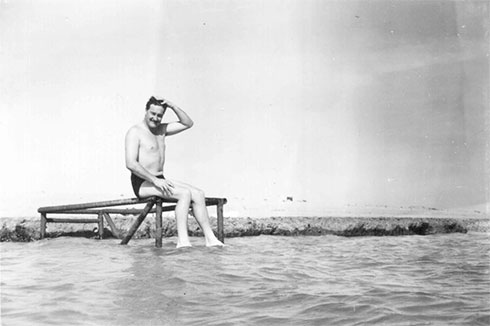
divingboard

Old Diving Board, Fintas, 1953
Fintas was a few huts and really just an area rather than a settlement. It was north of Fahaheel. From google maps it is now completely built up. Later on KOC fenced off a Families Beach just south of the North Pier. There were also beaches at the SBOA – Small Boat Owners’ Association and the CYC – Cumberland Yacht Club, just south of the South Pier and north of the Shaiba complex, that always smelled of sulphur. These were within the perimeter of the Mina Al Ahmadi complex.

rolling

Ahmadi, 1959
Me rolling around some of the Swedish prefabricated houses. The caption on the back says ‘John rolling round the Swedish houses’. I might have been driving it slowly. After all, it is a small roller, it wouldn’t go very fast, and there is nothing round to be hit so I might have been driving it. I don’t remember.

There are no eucalyptus trees in the photo. These were planted along every road with a hollow around the base of the trunk and the earth scooped into a circular wall around it. A lot of houses had tamarisk trees planted along the perimeter to lessen the wind and to give some shade. A lot of the roads around Ahmadi had pavements – hardly anyone walked along them as it was too hot. I remember once where the temperature got to 178 degrees Fahrenheit in the sun – 81.2 degrees c. the swimming pool in the Hubara Club was measured at about 108 degrees f (42 degrees c). I got out at 105 – no-one was swimming, we were all floating around like jellyfish. The water was above blood temperature and just warmed you up and we all became so lethargic. Since then I have wondered why a hot bath does not seem to have the same effect.

Yet I also remember once at the KOC Anglo American School, which only took children up to the age of 13 – there was a very limited choice of schooling in Kuwait at the time and KOC gave parents a grant to send children to boarding school back in the UK – all of us kids were grouped in the playground around a tap that had been dripping, and a large icicle had formed – it was the first we had seen. I caught the bus at 07:10 to go to school and we came home for lunch at 11:30. Dad arrived, and went back to work at about 12:15, and would be back at home at 16:30. At about 12:15 I got the bus back to school and was back at home at 15:30. In the middle of the morning we had break, and there would be a metal container of hot cocoa for us to drink, every day, whether it was summer or winter. It was piping hot and we were given enamel cups to drink from. These got too hot to use so the first children used to take 2 cups and pour the cocoa from one cup to the other in order to cool it down, which meant that half of the children got no cocoa at all. It was so hot – if you drank it immediately it did burn your lips. Of course, whether you really want a cup of hot cocoa in summer in Kuwait is a moot point. It was probably something about being British.

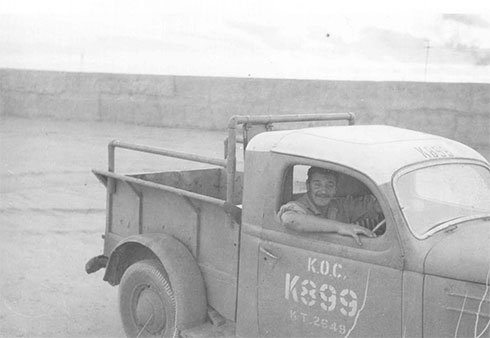
pickup

Paul with old Ford V-8 pick up #899, 1954
The seat looks to be really low relative to the window as Dad was about 5’10”. Looks like it would have made a fun little hot-rod.

————————-

End of part 2


Categories
Interesting Internet

Paid Influencers: Yay or Nay?

A couple of weeks back I posted a list of prices some local instagrammers charge for paid posts. Many readers felt the prices were absurd while finding the whole processes unethical, but how do brands feel about paid influencers?

Ali Ashkanani, the owner of Elevation Burger (whom also advertise on this blog) posted his view about this on LinkedIn and with his permission I’ve gone ahead and posted it below:

——————-

Paid Influencers: Yay or Nay?

Mark Makhoul, the profound blogger mark248am1.wpenginepowered.com, blogged about the card rate of number of influencers in the social media. The post has raised some controversial questions that I summarize in two sides;1) the value to money of the practice, and 2) the ethical side of advertising without declaring it. I personally worked with many of the influencers that Mark has mentioned in his blog. And I like to share my experience on the buy-side of this practice in Kuwait.

In 2012 I met for the first time with a sale’s rep of one of the social media management companies, and the service he was offering was new to me. He had a list of tweeps with high number of followers and a price per tweet. I’m not going to hide my first reaction, I really thought the prices are exaggerated and could not find the rationality of value to money in the pricing. At that time I only asked questions, and didn’t sign up for the services.

I thought that I need to look at the practice more thoroughly. At first, why are they called influencers? And why do they get paid for endorsing something they already like! The simple answer is they have a significant number of followers on social media, which translates into high exposure for what they post. The high number of people came from the fact that people find what they share is interesting. And as their pages becomes more popular, just like any other media, the value of what appears there increases. I believe people working at Ghaliah Tech or influencers can better explain these specifics.

The other way I liked to look at the influencers is simply to compare them with athletes, models, actors, or other conventional celebrities. The rate card for advertising by conventional celebrities are substantially higher than influencers, yet we don’t question their value to money. In fact, big brands, like Coke and Nike, invest heavily in conventional celebrities, and the results are clear from their brand awareness and company’s results.

Social media has helped us all evolve our practices, from connecting with friends to doing business and exploiting new markets. Part of the evolution was the emergence of new class of celebrities, those celebrities who don’t have their photos taken by experts and don’t have their videos edited by a whole production staff. The influencers are casual cool people that we like. Most of the time they shoot their own photos and videos by their smart phones, with no extra or unnecessary efforts to deliver their messages.

In the past, we only recognized celebrities by their profession that allowed them to appear in our lives frequently due to the limited media. And for many of us, we don’t really share much of values or interests with those celebrities, we don’t really know who they really are, but we were stuck with them. Today, our celebrities are our influencers, people who we selectively follow based on our personal interests. And just like brands have always gone after celebrities, other businesses utilized the technological advancement and emergence of new class of celebrities.

The new class of celebrities is a natural and healthy evolution, as this new class is filling significant gaps in the branding and advertising. In the past, only big companies could afford to pay celebrities to bring their brands to public. Today, with the influencers, the new class of celebrities is more affordable for all business scales. Branding is no longer limited to companies with deep pockets, celebrities are available for big and small companies.

At Elevation Burger, I have worked with influencers since the beginning of 2013, specifically at our store openings. We invited @Acsia_AKF, @7amadQalam, and others, who I believe have given us a good brand awareness on social media.

So is their value to money of what they do from business perspective? Probably there is, but is their service priced correctly? Maybe this question requires more digging

On other hand of the controversy comes the ethical question. And I think the answer to this question is straight forward, a paid post is not an endorsement and not having it clear eventually means misleading the followers. I asked many influencers about the ethics of the practice from their perspective and it looked a bit different.

For many influencers they presume that their followers know they are posting paid ads, and this assumption is based on how each has defined themselves on their bio. Also many influencers take pride in what they do and they still consider their paid ads as endorsements as they would only do business with brands with certain values that matches theirs. And there is an increasing number of influencers that are clearly mentioning the related business parties and clearly distinguishing between their posts and paid ads.

I like to observe the evolution of the social media and the businesses that it’s creating. Social media is a total new sphere of networking and relationships, a new market place, and I think it’s interesting to see how it solves it’s problem. Today Mark has raised the awareness of this market on his blog, I have put my comments on LinkedIn, and I’m sure there are many others discussing it on Twitter or Instagram. Eventually the market will shape itself and it will define its standards.

Ali Ashkanani
CEO at TABCo Food


Categories
Commercials Internet

Jazeera Airways Blunder

durex

It seems whoever is handling the Jazeera Airways twitter account also handles the twitter account of Durex and last week confused the two by posting a Durex advert under the Jazeera account. Either that or Jazeera Airways want to promote their mile high club.

Jazeera Airways quickly pulled the ad down and posted an apology but not fast enough since someone managed to grab a screenshot and now their mistake lives on the internet forever. [Link]

Thanks Basel


Categories
50s to 90s Information Kuwait

Life in Kuwait back in the 1950s – Part 1

Back in May while doing some research about Kuwait in the old days I contacted a person by the name of John Beresford and asked him if he had any old photographs or videos of Kuwait from back in the old days. Turns out he didn’t have any videos but he did have some photos and more importantly, a treasure of information, mostly stories of simple things from life back then that many people might have forgotten or not even have known about. I’ve been trying to figure out how to share this trove of fascinating info for the past week and just decided I would share it in parts.

This is
Life in Kuwait back in the 1950s – Part 1
by John Beresford

————————-

Ahmadi was built from scratch, power, drains, everything. My father arrived in April 1949 – he missed the last flying boat service by a week which always disappointed him – he fancied the flight from Beirut via the Iraqi Marshes to Shuwaik. One of the people he arrived with got up, walked to the door, looked out and went back to sit down – he did not get off the plane. Dad did and spent 2 weeks in a tent before graduating to a nissen hut, which was far too hot – with limited power there was no overhead fan. He shared with some fairly coarse drillers from Oklahoma who kept a pistol which was passed around in turn to everyone. It was the job of the person with the pistol to go outside at night and shoot any braying donkeys that were keeping people awake. The only thing he kept from the experience was a taste for iced tea and a distaste for drillers.

My parents got married in 1954. Kuwait Oil Company (KOC) gave them a married quarter and equipped it. Furniture, linen, plates, cutlery, aluminium saucepans, were supplied. I still use the cutlery – EPNS from Mappin and Webb, and some for the saucepans and chip pans. They are stamped with ‘KUOCO’. The crockery had a green band around the edge – I don’t remember who made it. You supplied your own curtains, carpets and bedding. There was nowhere to buy such things so KOC had a commissariat and issued such items. Later on, in the 1960’s, it decided to stop doing this and let everyone keep what they had already received. There was a laundry in the industrial area, North of the South tank farm, where items could be laundered, dry cleaned and starched if necessary. I threw away an old KOC laundry box this summer- it had been used to store tools in the garage. The system was pretty much the same as the army used, and most people employees had been in the forces. They had been posted overseas and had little desire to return to the UK as it was cold, depressed and depressing. Quite a few had been in the British Palestine Police and after 1948 moved elsewhere. There was quite a mix of people around; Dad liked playing rugby in Basrah because there were lots of nightclubs and shows populated by white Russian dancers who could not go back home.

house1

In the picture of the front room note:

– The gas fire – every KOC European/US house had a gas fire , and we used it!

– There is an electrical fan on the floor. I don’t know if this means there was no air-conditioning yet. Overhead fans did exist. The air-conditioning was not as nowadays, with individual units to each room. KOC had a central Ice Plant, that produced ice (obvious from the name) and a lot of cold water. This was piped around the European part of Ahmadi (the management/supervisory accommodation) because managers and supervisors tended to be European, and had higher spec accommodation. The Indians and Pakistanis (IPs) had their area and type of houses, and the Arabs had theirs. Arab managers had management houses. The original drains were made of cast iron and the manager in charge of the domestic infrastructure got bored and did a survey to see haw the drains stood up to use. His conclusion was that the drains in the IP areas corroded more quickly that in the Arab areas, and the Europeans’ drains corroded least of all. He attributed this to the diet.

However, reverting to the a/c, the insulated pipes carried the chilled water to the main a/c unit in every house, and from there cooled air was pumped around the houses. It was an efficient way of supplying a/c. The houses had large ducts made of asbestos sheet that cooled most rooms. I don’t know of anyone that has blamed any subsequent cancer on having had their a/c ducts made of it. Of course when my father had been doing some plumbing and had failed to complete it before the ice plant started to pump its cool water around town he had to phone up and tell them to stop the pump until he was all watertight again! As he was by this time in charge of Ahmadi’s services as well as the oil company’s electrics he could get away with a lot.

– The standard lamp is the one issued by KOC. The entire front room looks shockingly similar to the 1950s room in the Geffrye Museum – a small museum in London, North of Liverpool Street Station, that displays the British domestic front room throughout the centuries. So many people had rooms like the one in the museum. Especially the textiles.

oldhouse

The photo above shows the house after my parents had moved in. There is no garden. It was easier to get the fence and other bits from KOC and build your own. Dad bought concrete flagstones and brought them home 2-3 at a time. In the distance another house is being built. This is up in the Ridge area of Ahmadi. Our house backed onto desert (from the photo at this time it seems to have fronted onto desert as well) and at the back were well heads from the Ahmadi field. In 1956 someone took exception to the Suez Crisis and blew one of them up. This really annoyed my mother. I had 24 terry nappies that were reusable and most of them had been boiled and were hanging on the line when the explosion happed. The fire that resulted covered them all in oily soot and Mum never managed to get them white again. The clean up afterwards she never forgot. Things had to be cleaned. If she had thrown them away there were no more to be obtained. This ridge area was covered in houses when we left in 1972. Houses were every 30-40 yards or less. As it started to drop down the long incline to the sea the slope arrived at the Hubara Club, and the golf course, neither of which had been built when this photo was taken.

Some houses were called PMQs others were called Swedes because they were wooden houses, prefabricated and shipped in from Sweden. Ours was made of Basrah brick which is quite soft. Generally the Americans had bigger houses and earned more money because they were Americans. It was said that everything cost more in the USA. If it did then, it certainly does not nowadays. Everyone had their grade of housing – very much like the armed forces. Bachelors had their accommodation in the guest house where we sometime went on fridays to have a curry. Only rarely, but we enjoyed it greatly. Again, the ‘Bachelors’ Mess’ was modelled on the armed forces.

One way or another you could get most things from KOC. After prohibition came in he and one of his staff, who had worked in a distillery, had the fitters in the electrical division make a still, a proper one, with thermostats, electrical heating, a cooled column for fractionalisation with about 800 marbles in it to increase the surface area for condensation, and the distillate was filtered through charcoal. They then distilled it a 2nd time for purity and then converted it into whatever tipple they wanted, usually gin and brandy. A mail order shop in New York sold food colouring and ingredients especially designed for home-made hooch. The cook made the caramel for the brandy (Dad liked the treacly taste of the Cypriot Keo brandy) and to add flavour he threw a handful of white oak chips into each bottle to simulate aging in a cask. Once his shipment got stopped by Kuwaiti customs and he had to explain what it was for to get release; he said that the white oak chips were for smoking fish, and took along an article explain how kippers were made to help. After much scepticism the shipment was released.

I mentioned a cook. KOC gave managerial staff an allowance to be spent on a servant. The choice was an ayah or a cook. We had a cook. He was a fantastic cook. He was a Pakistani and before partition had been a demonstration chef at the Indian Army School of Cookery. He could cook anything well and knew all western culinary techniques, and if he had forgotten he said so, and asked for a Larousse or some such to refresh his memory. He must have been quite old as he remembered being caught in the great Quetta earthquake and that was in the 1920s.

————————-

End of Part 1